How to Choose Fabrics for Restaurant Booth Seating
In UK restaurant environments, where seating is cleaned frequently and must meet commercial fire safety standards, upholstery performance matters more than showroom appearance.
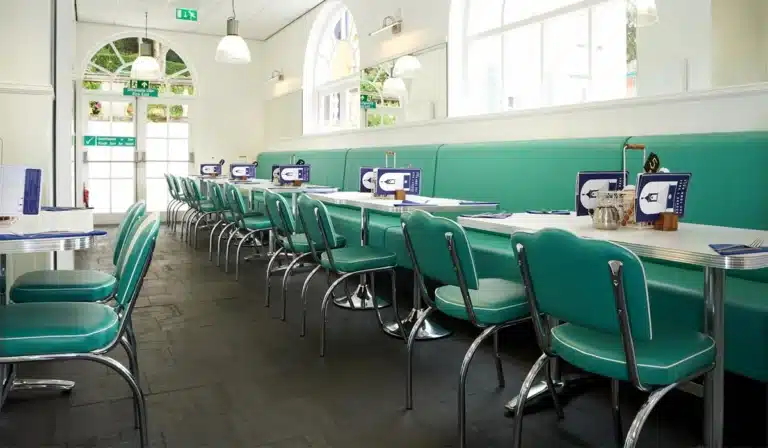
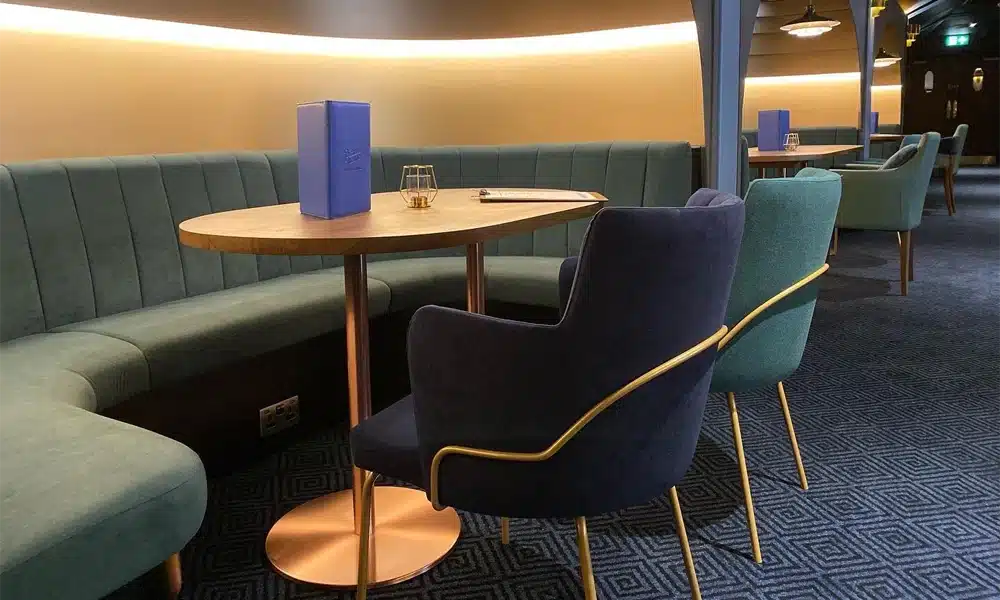
In UK restaurant environments, where seating is cleaned frequently and must meet commercial fire safety standards, upholstery performance matters more than showroom appearance.Choosing restaurant booth seating fabrics is one of those decisions that feels like a design detail—until you’re six months into service and the upholstery is already showing its age. In reality, booth seating upholstery for restaurants has to do a lot of heavy lifting: it needs to look on-brand in daylight and evening lighting, feel comfortable for longer stays, cope with constant wiping, and resist the slow grind of high-traffic use.
This guide is written from a UK contract furniture manufacturing perspective. It’s not about “the nicest swatch on a mood board”; it’s about how banquette seating fabrics perform in real restaurant conditions, how fabric vs faux leather for restaurant booths stacks up for durability and maintenance, and how your choice affects long-term appearance and lifecycle cost. If you’re still at the early stage of planning fixed seating, our Restaurant Booth Seating guide is a useful overview of where booths tend to work best operationally.
Start with the reality of your restaurant environment
Before you compare materials, pin down what your seating is actually going to face. The “best fabric for restaurant booth seating” in a calm neighbourhood café isn’t necessarily the best answer for a high-turnover all-day concept.
In most restaurants, upholstery is challenged by four things: abrasion (people sliding in and out), staining (oil, sauces, wine, coffee), cleaning (frequency and chemical exposure), and friction points (outer corners, top caps, seat fronts, and stitching lines). If your team wipes down between every sitting, you’re essentially putting the material through a repeated stress test—especially on lighter colours.
This is why it helps to think in terms of upholstery for high traffic restaurant seating: the material’s “headline look” matters, but the construction, coating, and finish often matter more.
The main upholstery options for restaurant booths
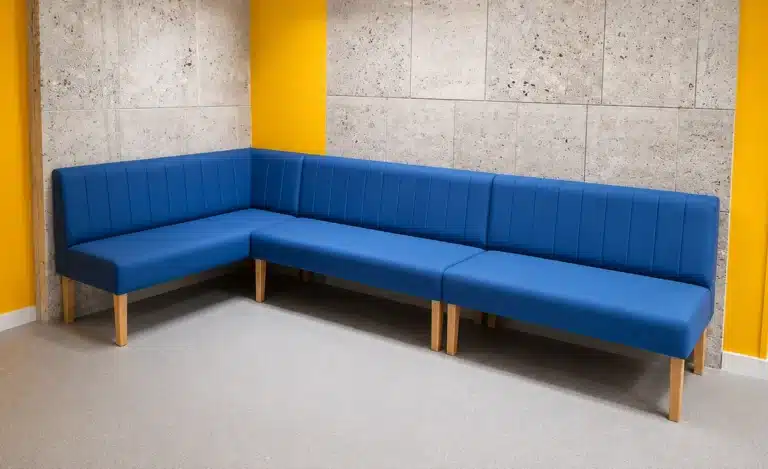
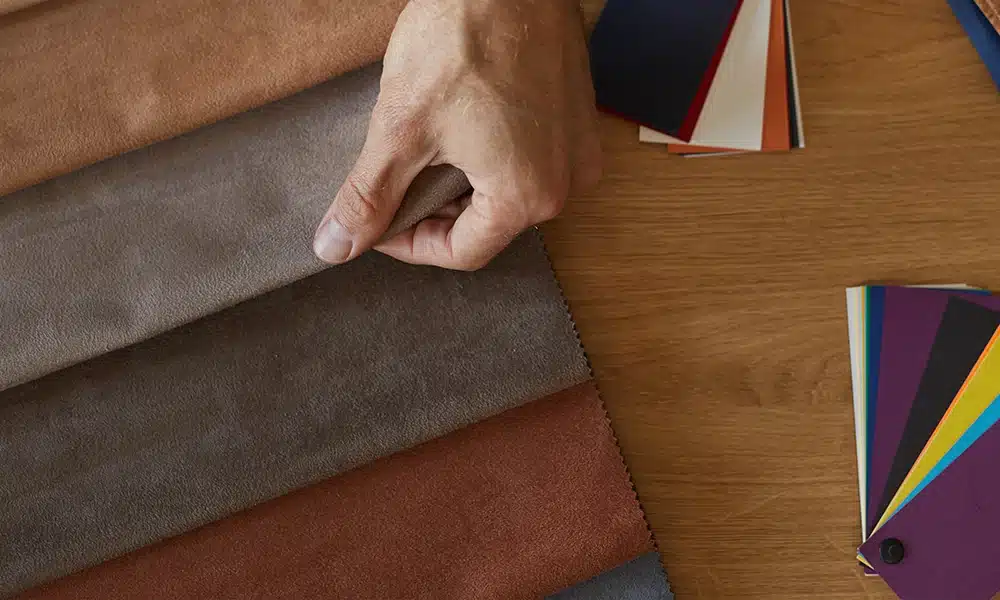
Most upholstery for restaurant booths falls into three broad groups: contract fabrics, faux leather/vinyl, and performance fabrics (often woven but engineered for stain resistance). Each has strengths and trade-offs.
Contract-grade faux leather and vinyl tend to be chosen when you want a wipeable surface and predictable day-to-day maintenance. Woven fabrics are often chosen for comfort, acoustics, and a softer design feel. Performance fabrics sit somewhere in the middle—offering the warmth of fabric with added protection and easier cleaning.
If you want to see the sorts of material categories typically specified on UK hospitality projects, our Cover Choices & Upholstery Options page gives a straightforward overview without getting bogged down in swatch-by-swatch browsing.
Fabric vs faux leather for restaurant booths
The question comes up on almost every project: fabric booth seating or faux leather booth seating?
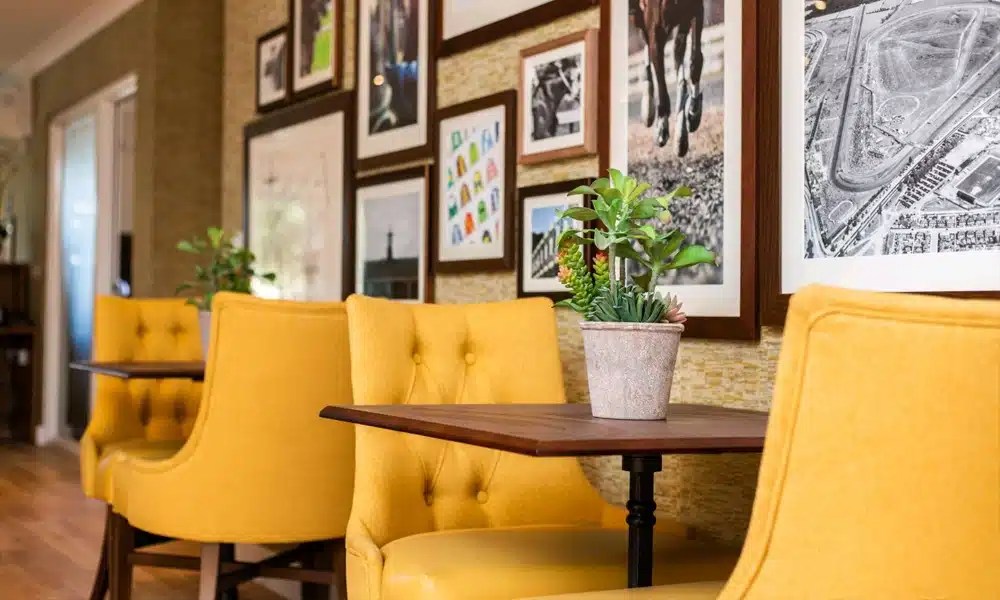
In practical terms, faux leather (including contract vinyl) is usually favoured when hygiene and quick wipe-downs are non-negotiable, or when the venue expects frequent spills. Fabric is often favoured when comfort and atmosphere are the priority, or when you want richer texture and colour depth across a larger seating run.
The key is to avoid thinking of it as “easy clean vs nice.” High-quality contract fabrics can be extremely durable, and poor-quality faux leather can crack, go shiny, or split at seams sooner than you’d expect. The deciding factor is usually how the material behaves under your cleaning routine and service style—not what it looks like under showroom lighting.
What upholstery lasts longest in restaurants?
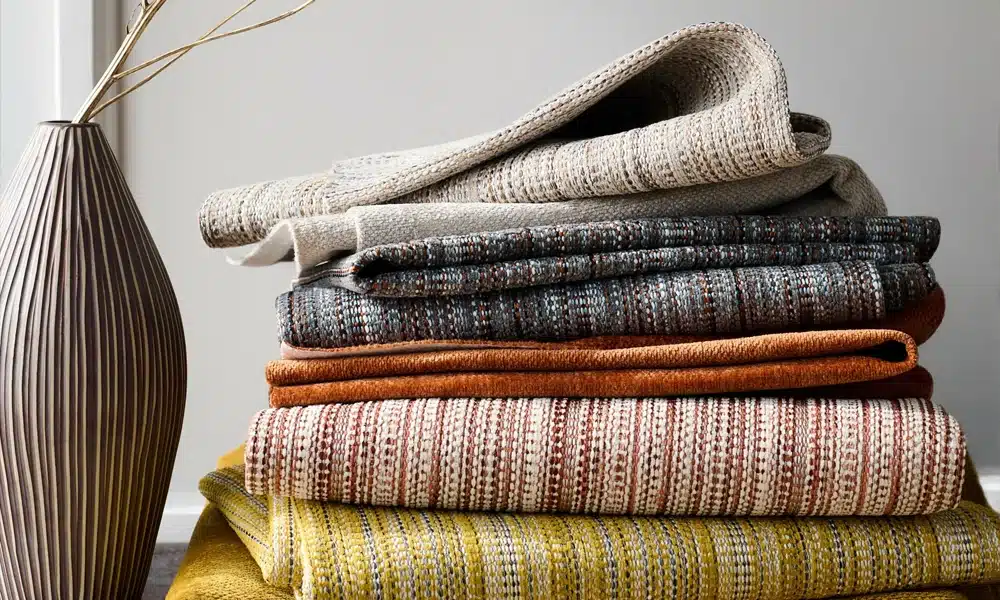
If you’re asking what upholstery lasts longest in restaurants, you’re really asking which material holds its appearance for the longest time in your specific conditions. Longevity is a mix of abrasion resistance, seam strength, coating quality, colour stability, and how forgiving the surface is when things go wrong.
In very high-turnover, family-friendly, or spill-heavy settings, contract vinyls and faux leathers often win on maintenance and consistency—because they’re less absorbent and faster to reset between parties. In premium dining settings where guests sit longer and the room’s “feel” matters, a high-performing woven fabric may age better aesthetically, even if it demands a more considered cleaning approach.
If you’re comparing options for a broader fixed seating scheme (not just one restaurant banquette), the Commercial Booth & Banquette Seating pillar is helpful for understanding how material choices tie into long-term performance across busy commercial spaces.
Wipeable upholstery for restaurants: what “wipeable” really means
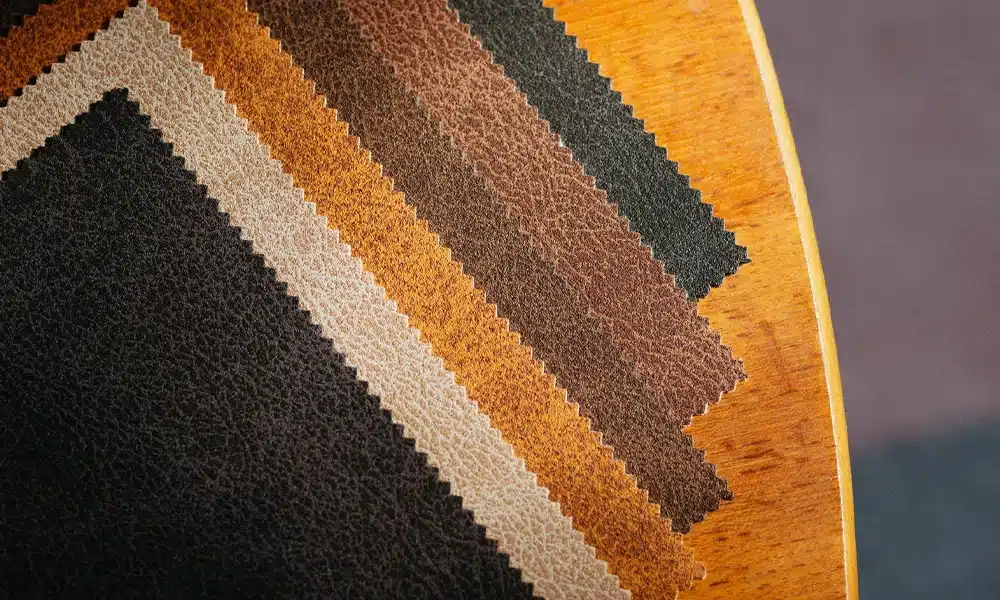
“Wipeable” can mean a few different things, and it’s worth being precise when you’re specifying wipeable upholstery for restaurants.
Some materials are inherently non-porous (many vinyls and faux leathers), so spills sit on the surface until they’re removed. Some woven fabrics rely on a protective finish or fibre technology to resist staining, meaning spills may bead initially but can still penetrate if left too long or if the surface is worn.
Also, “wipeable” doesn’t automatically mean “indestructible.” Frequent cleaning is a form of abrasion, and certain chemicals can dull finishes over time. If your cleaning routine involves strong disinfectants, your upholstery choice needs to be compatible—especially on darker colours where blooming or patchiness can show.
Comfort and guest experience: why fabric often wins (but not always)
Aesthetics, colour, and how upholstery photographs over time
Restaurants are photographed constantly. The challenge is that upholstery doesn’t just need to look good on day one—it needs to look good after thousands of slides, wipes, and seat-outs.
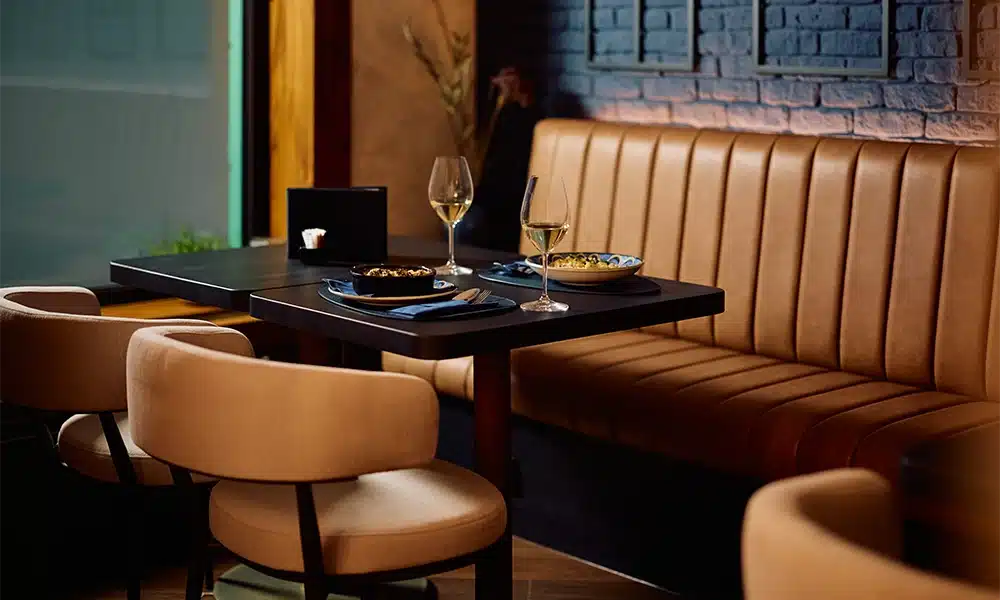
Textured fabrics can be more forgiving for minor marks and day-to-day variation, especially in mid-tones and patterns. Faux leather can deliver a very clean, tailored look, but it may show sheen changes on high-contact zones over time (seat fronts, aisle-side backs, and corners).
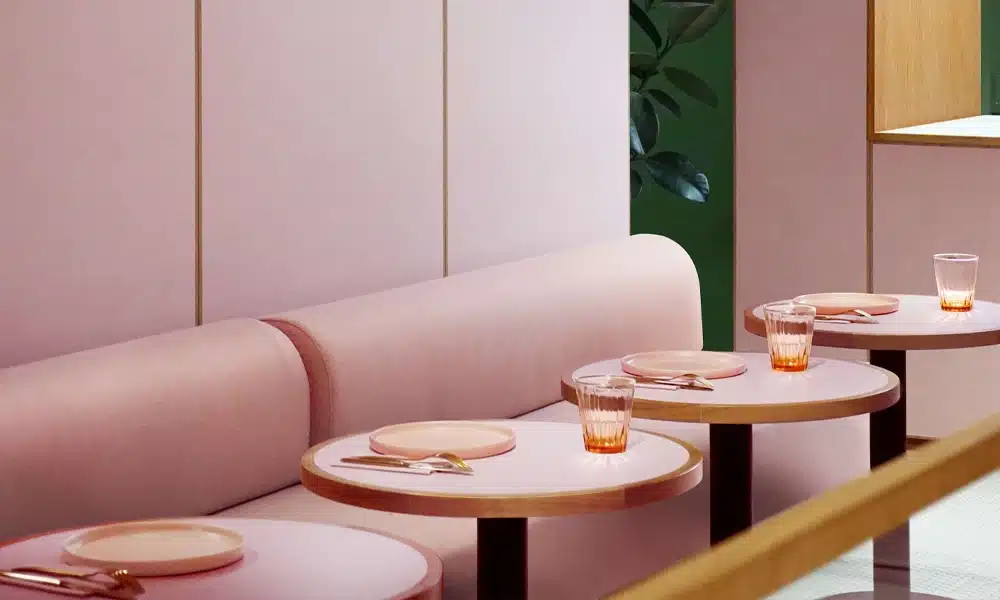
If you’re choosing light colours, it’s worth thinking about contrast: lighter seats and backs can look fantastic, but the operational reality is that they’ll show denim transfer, scuffing, or staining sooner—particularly at the aisle edge. Sometimes a two-tone approach (darker seat, lighter back) is the best compromise, without making the room feel heavy.
Durability markers that actually matter for restaurant banquette upholstery
Specs can be confusing, but a few performance markers are genuinely useful when comparing commercial upholstery fabrics:
- Abrasion resistance (e.g., Martindale): a helpful indicator for wear, but not the whole story.
- Seam strength and tear strength: crucial for booth seating, where seams and stitching take repeated stress.
- Pilling resistance: particularly relevant for woven fabrics in high-friction zones.
- Colour fastness: important for bright colours, window-side seating, and heavily cleaned areas.
- Finish/coating quality: often the difference between a surface that ages gracefully and one that dulls or cracks.
The practical tip here is simple: judge materials as a system (surface + backing + finish), not just the face fabric.
Fire safety at a high level: Crib 5 fabrics for restaurant seating
For commercial hospitality interiors, fire performance isn’t optional—it’s part of responsible specification. You’ll often hear “Crib 5” used as shorthand, but what matters is that the upholstery composite (cover + foam and any interliner) meets the appropriate standard for the setting.
If you need a clear, UK-focused explanation without wading through jargon, the Fire Safety & Crib 5 Regulations for Hospitality Seating guide breaks down what Crib 5 is, why it’s specified, and what it means in practical terms for seating projects. It’s the right place to start if you’re comparing Crib 5 upholstery fabrics and want to understand the requirement at a sensible, high level.
Matching upholstery to service style and turnover
A useful way to decide is to match upholstery to how your restaurant actually trades.
High-turnover, all-day concepts typically benefit from more wipeable, low-fuss surfaces—especially where prams, bags, kids, and frequent spills are part of the daily mix. Mid-market dining often works well with performance fabrics that balance warmth with practicality. Premium dining can justify more tactile, design-led fabrics, but only if cleaning and maintenance are planned properly.
The bigger point: the upholstery choice should support the rhythm of service. If your team is fighting the seating finish every shift, it won’t matter how good it looked on opening night.
How fabric choice affects lifecycle costs (not just purchase price)
Lifecycle cost is where many upholstery decisions are won or lost. A cheaper material that looks tired early can cost more in the long run if it forces premature refurbishment, disrupts trading, or undermines the perceived quality of the room.
In a restaurant, the “cost” of upholstery is rarely just the material. It’s downtime, labour, replacement disruption, and the brand impact of seating that looks worn. Often, the most cost-effective option is the one that maintains a consistent appearance with your realistic cleaning routine, rather than the one with the lowest upfront cost.
If you’re evaluating fixed seating as a whole category (beyond upholstery alone), it can help to browse the wider Booth & Banquette Seating category so your material decisions align with how the seating will be built and used.
A practical way to choose: specify from the “stress points” outwards
One simple approach is to start with the hardest-wearing zones and work outwards. On most restaurant booths and banquettes, the highest stress areas are aisle-side backs, seat fronts, and outer corners. If you choose a finish that can cope there, the rest of the run usually follows naturally.
It also helps to decide early what you’re optimising for: fastest wipe-down, best long-stay comfort, strongest texture/colour, or longest consistent appearance. You can usually get two or three—but rarely all four without compromise.
Getting upholstery choices right from the start
As a UK manufacturer of made-to-order booth and banquette seating, we see first-hand how different upholstery materials perform once they’re built into fixed seating and put into daily use. Sense-checking fabric choices early—particularly for high-traffic areas—can help avoid costly changes further down the line and ensure the seating continues to look right long after opening.
If you’re planning a restaurant fit-out or refurbishment and want to understand how upholstery decisions sit within a wider fixed seating scheme, our Commercial Booth & Banquette Seating guide is a useful next step.
- sales@hcfcontract.co.uk
- 01708 331757
Booth Seating Fabric and Faux Leather FAQs
See Our Other Project Studies