Setting the Stage for the Ultimate Dining Experience
Why Commercial Booth Seating is More Than Just Furniture
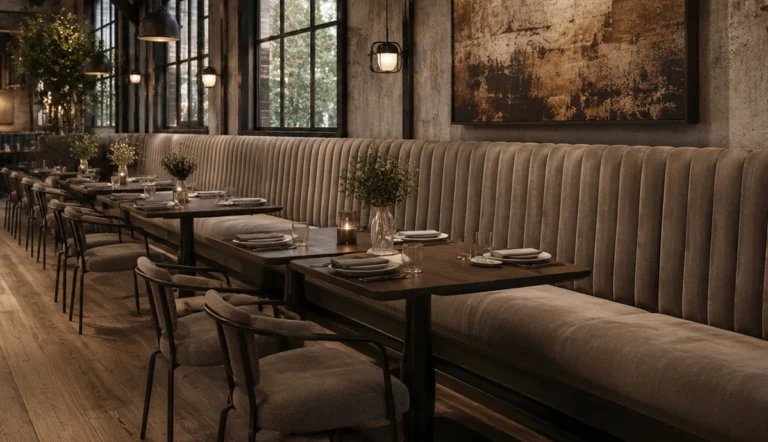
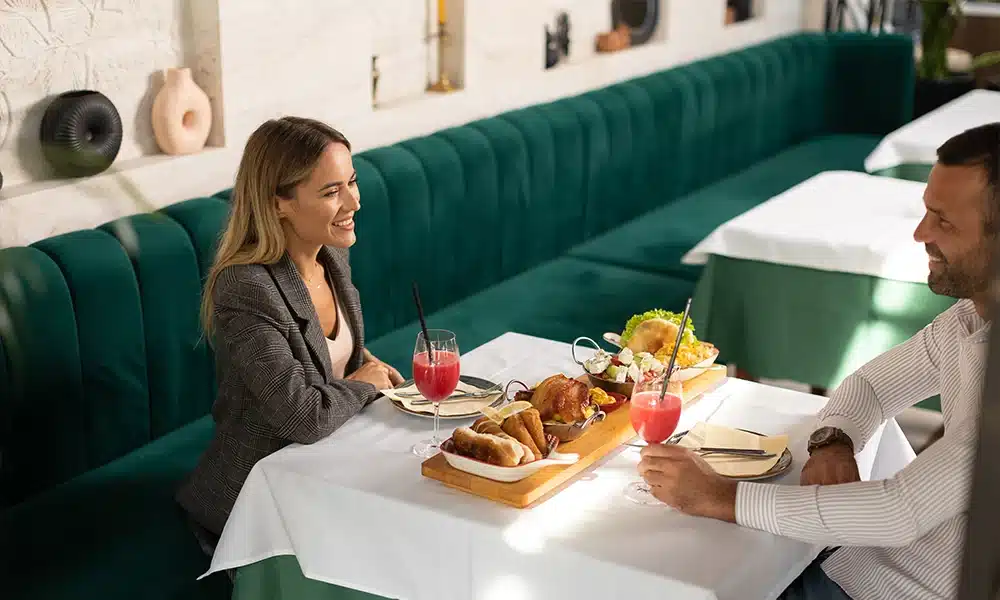
Walk into any successful restaurant, bar, pub or café and you’ll notice the same thing: guests naturally gravitate towards booth seating. It feels more private and comfortable, and it quietly sets those tables apart from the rest of the room. But in a commercial environment, booth seating is not just about comfort. It’s a tool that shapes how your space works – from how many people you can seat, to how your venue sounds, to how your brand is perceived.
Thoughtful booth and banquette seating can help you fit more covers into the same footprint, define zones without building walls, control noise levels and give guests those “favourite table” moments they’ll come back for. When planned well, it becomes part of the engine of your business rather than just another piece of restaurant furniture.
What This Guide Will Cover
This guide is designed to be a thorough, practical resource for anyone planning commercial booth seating in the UK – whether you’re an independent operator, a group, an interior designer or a contract furniture buyer. We’ll explain what booth seating actually is, how it differs from banquette seating, which configurations work best in different spaces, and how to think about dimensions, comfort, materials and finishes.
We’ll also cover layout planning, branding and customisation, procurement and installation, and how to maintain and refurbish bench seating so it continues to earn its keep for years. Throughout, we’ll draw on over three decades of experience at HCF Contract Furniture, a UK manufacturer of made-to-order booth seating, banquette seating, tables, chairs and contract furniture.
What is Commercial Booth Seating & Why It’s a Strategic Investment
Defining Commercial Booth Seating: Fixed Seating Explained
Commercial booth seating is a type of fixed seating – usually built in sections and secured to the floor and/or wall – that creates defined, often semi-enclosed dining spaces. Unlike loose restaurant dining chairs and tables that can be moved around at will, booth units are manufactured to fit a specific layout and then installed as part of the fabric of the venue.
A typical booth or banquette will include a built-in plinth or base, an upholstered seat with commercial-grade foam, and an upholstered backrest that lines up with restaurant tables or café tables at standard dining height. The result is seating that feels more permanent and architectural than loose furniture, and that can be tailored exactly to the shape of your walls, corners and alcoves.
Booth Seating vs. Banquette Seating: Key Distinctions
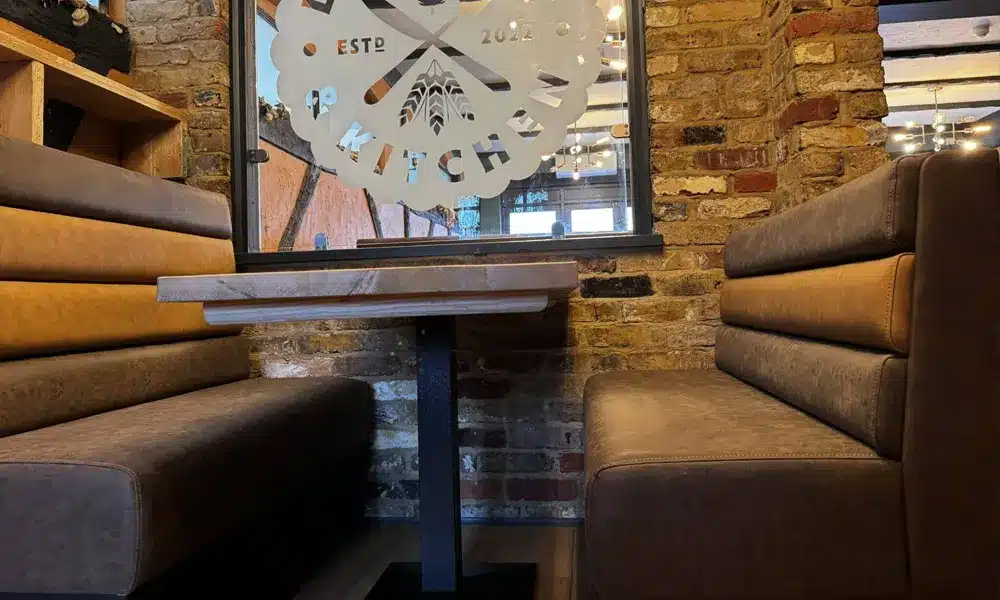
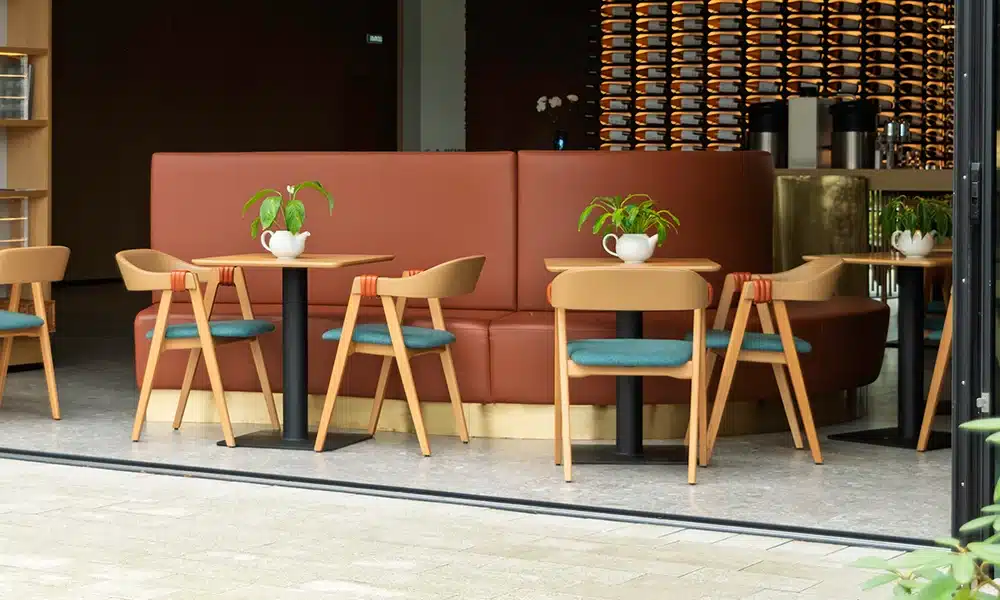
The terms “booth seating” and “banquette seating” often get used interchangeably, but there is a useful distinction. Booth seating usually refers to more enclosed arrangements – for example, two benches facing each other with a table between them, or a U-shaped unit wrapping around a table. Banquette seating typically describes longer runs of built-in seating fixed along a wall or around the perimeter, facing loose tables and dining chairs.
In day-to-day conversation, most people will simply talk about “booths” regardless of the exact configuration. From a planning point of view, it can be helpful to think of banquettes as the long, flexible elements that define your perimeter and spine, and booths as the more intimate, pod-like spaces that create special moments within the layout. HCF’s booth and banquette seating collection covers both approaches.
The Strategic Advantages: Beyond Comfort, Toward Profitability
Well-designed booth seating gives you several advantages at once. It helps you get more from your floor area by allowing you to seat guests against walls and in corners that would otherwise be wasted. It can make a noisy room more comfortable by absorbing sound and creating smaller, calmer pockets within a busy space. And it lifts the perceived quality of your interior – a well-upholstered restaurant booth instantly feels more premium than a basic table and four chairs.
Navigating the Types of Commercial Booth Seating
Standard Configurations: Single Booths and Double Booths
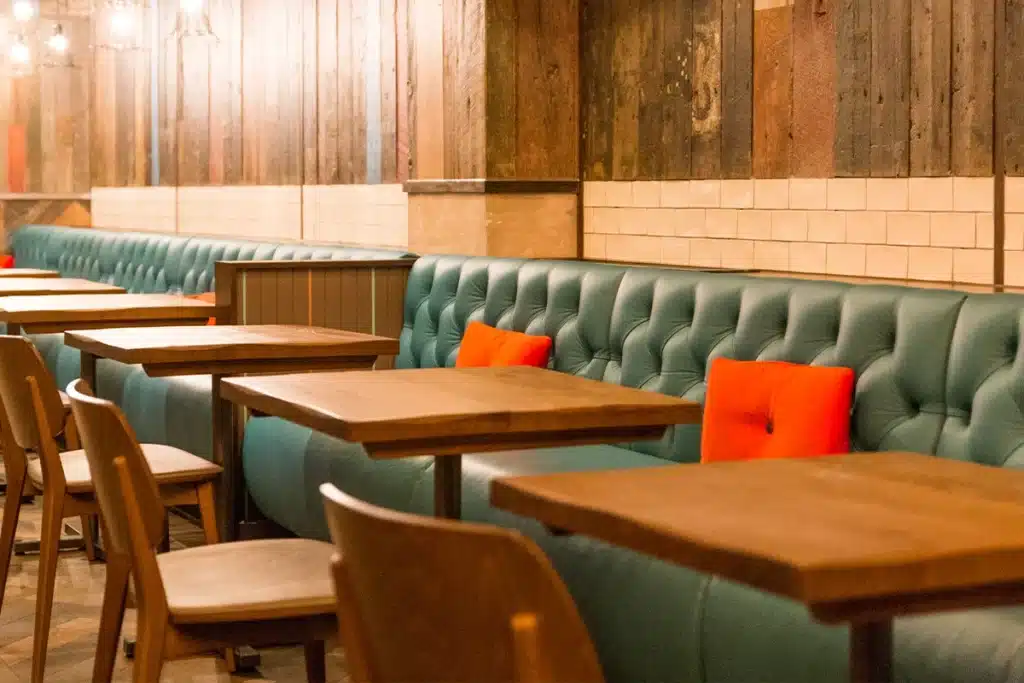
Most schemes start with a few core building blocks. Single booths run along a wall, with the back of the unit tight to the wall and the seat facing into the room. These are a classic form of bench seating and work especially well with loose restaurant tables and dining chairs opposite. Double booths are back-to-back units in the middle of the floorplan, with tables on either side. These rows can be very efficient in busy restaurants, as they create neat service routes and clear zones.
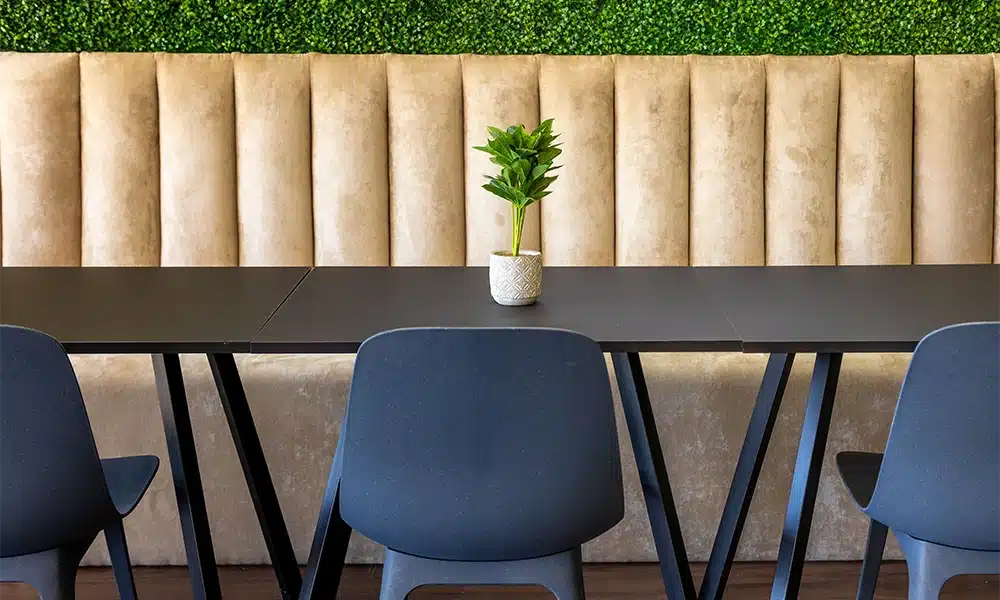
You’ll also encounter long wall banquettes subdivided visually by stitching, fluting or buttons into “bays” that line up with individual tables. In manufacturing terms, these are often made from modular units that can be joined on site, allowing us to tailor the overall length while maintaining neat, repeatable detailing. That modular approach is taken even further in our Serene modular booth seating collection, which is designed to be reconfigured as venues evolve.
Wall-Mounted vs. Free-Standing Booths: Practical Considerations
In many projects, booth seating is fixed firmly to both floor and wall. This gives maximum stability and allows the seating to align neatly with skirting, dado rails and wall finishes. It also simplifies cleaning, as you don’t have chairs drifting away from tables or gaps forming behind seats.
Free-standing units do have their place, particularly when you need flexibility or cannot fix to walls – for example in front of glazing, in landlord-controlled spaces, or in central “islands” where back-to-back booths act as a spine through the room. In these situations, the weight, base design and table bases become crucial to keep everything feeling solid and safe in use.
Specialty Booth Configurations for Unique Spaces
Real venues are rarely neat rectangles. Columns, alcoves, bay windows and nibs can all be turned into valuable seating if you use the right configurations. Corner booth seating – whether L-shaped or wrapped around three sides – is ideal where two walls meet and can be a great way to create intimate dining spots. You can explore options in our dedicated corner booth seating range.
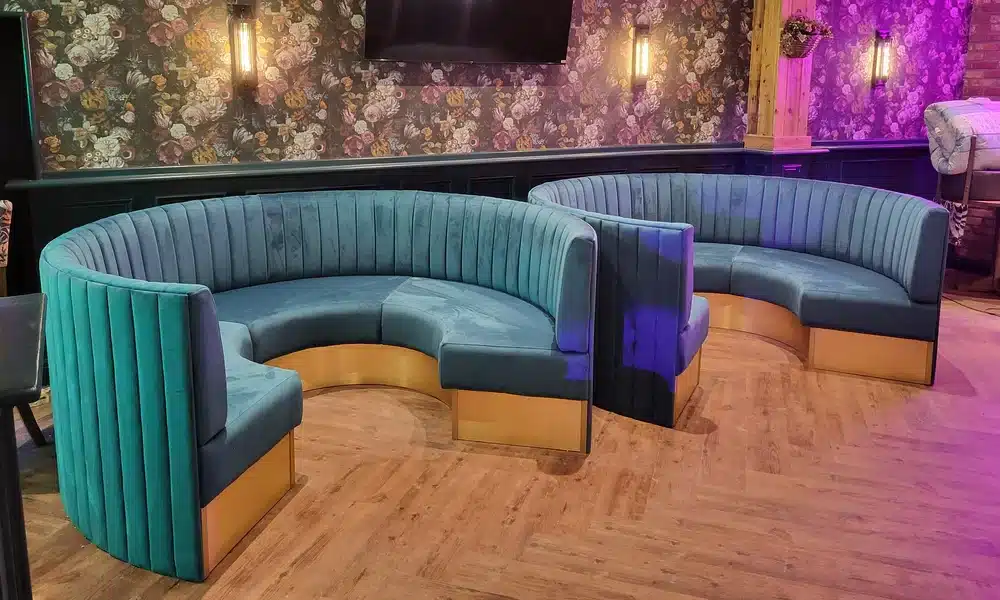
For focal points, curved or round booths really come into their own. A semi-circular unit hugging a central table can become the star table in a restaurant, while a fully circular booth works beautifully under a feature light or within a bay. Examples of this approach are showcased in our round booth seating designs.
Designing Your Booth Seating Layout for Optimal Flow and Profitability
Essential Dimensions and Spacing Guidelines
Good booth layouts start with good ergonomics. Seat height generally needs to sit in the same range as a standard dining chair, so guests can move comfortably between loose seating and fixed seating. Seat depth must balance support and relaxation; too shallow and people perch, too deep and they slump. The angle and height of the back also play a big role in comfort, and in how much enclosure you create.
Beyond the seat itself, think carefully about the relationship between seat front and table edge. Guests should be able to slide in and out without dragging the table, and have enough knee room to sit naturally. The spaces between rows or opposite runs need to accommodate both guests and staff with trays. If your plan is tight, our blog on banquette seating for small spaces offers more detailed guidance on suitable dimensions and clever layout tricks.
Integrating Tables: The Perfect Pairing
Restaurant booths and tables are a partnership. A beautifully made banquette paired with the wrong tables will never quite feel right. You’ll want restaurant tables that are the correct height, width and base design to match your chosen seating. Table tops that are too small for the booth width look odd and restrict cover counts; ones that are too large make it awkward to get in and out.
It’s also important that table bases don’t clash with the plinth or guests’ feet. Flat bases and central columns are often preferred in conjunction with restaurant booths because they minimise trip points and allow people to slide in easily around the dining area. You can explore options in our table tops category and table bases category, which include solutions specifically suited to fixed seating. On the opposite side, loose dining chairs and restaurant dining chairs from our chairs & stools collection let you fine-tune comfort and style across the whole scheme.
Strategic Layout Planning: Maximising Covers and Customer Flow
Once you understand the building blocks, you can start thinking strategically about how they fit into your floor space. The goal is usually a balance between maximising covers and maintaining a comfortable, workable environment. Perimeter banquette seating is very effective for increasing numbers without making the centre of the room feel crowded. Double rows of back-to-back booths can create efficient service “streets” through the space, especially in long, narrow sites.
Think about how guests will move from entrance to bar, bar to table, and table to washrooms. Staff routes from kitchen or pass to dining areas should avoid awkward bottlenecks, particularly around high-traffic points like doors and POS stations. High-back booths can be used to create quiet, intimate areas away from the bar, while lower backs near windows keep things bright and open. For visual inspiration and example layouts, take a look at our blog on 5 captivating booth seating layouts for your new restaurant.
Avoiding Common Booth Layout Mistakes
Many of the most common problems we encounter on site stem from decisions made early on paper. Tables that sit too close to the edge of the seat can make guests feel exposed or cramped. Failing to account for skirting boards, sockets or columns can leave you with tables that don’t line up or seats that feel oddly cut off. Overcrowding rows with too many tables can make service difficult and give guests the sense of being hemmed in.
It’s worth taking the time to test your layout at full scale if possible, even with tape on the floor and temporary furniture. At HCF we regularly work from architects’ drawings and simple sketches alike, advising on cover counts, clearances and where bench seating or modular seating will work hardest for you before manufacturing begins.
Materials Matter: Durability, Aesthetics and Ease of Maintenance
Upholstery Choices: Balancing Style, Comfort and Performance
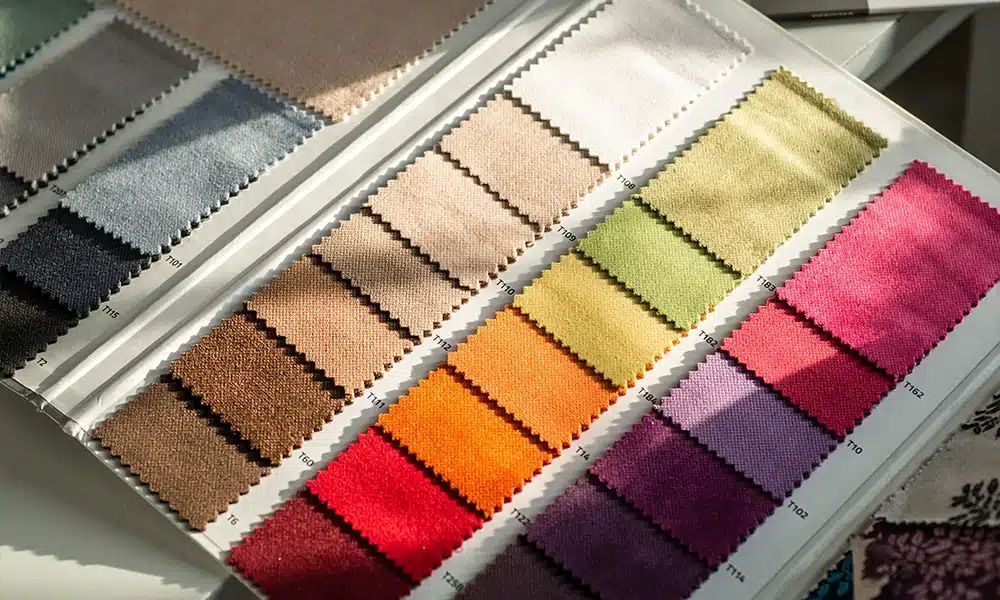
The fabric choice you choose will define the look, feel and maintenance profile of your booth seating. In commercial settings, aesthetics and performance need to go hand in hand. Materials must be Crib 5 compliant for use in hospitality, have high abrasion resistance, and cope with spills, frequent cleaning and everyday wear. At the same time, they should reflect your concept – whether that’s relaxed café, refined brasserie or bold late-night bar.
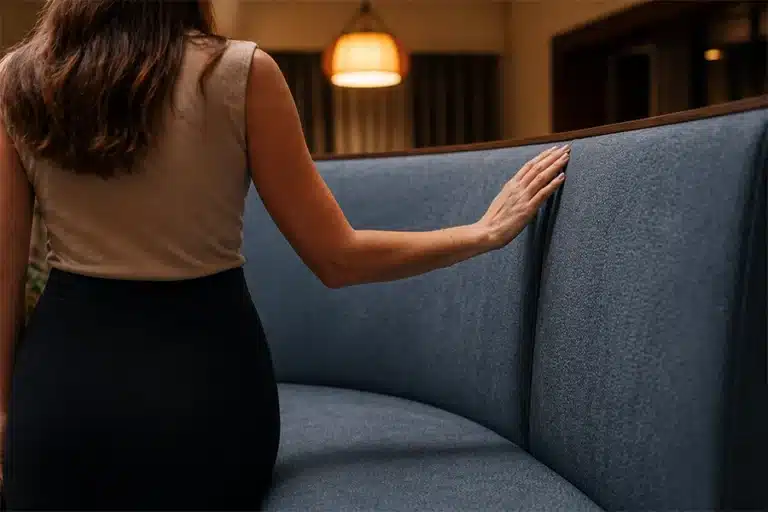
Smooth, wipeable vinyls and faux leathers are often chosen for seats in family restaurants and high-turnover sites, as they make life easier for staff and keep booths looking fresh. Backs may use a softer, more textured fabric or velvet to add depth and comfort. Our cover choices include a wide range of fabrics, vinyls and leathers suitable for both indoor and outdoor use, making it simple to specify consistent finishes across interior booths and outdoor booth seating.
Frame Construction: The Unseen Backbone of Durability
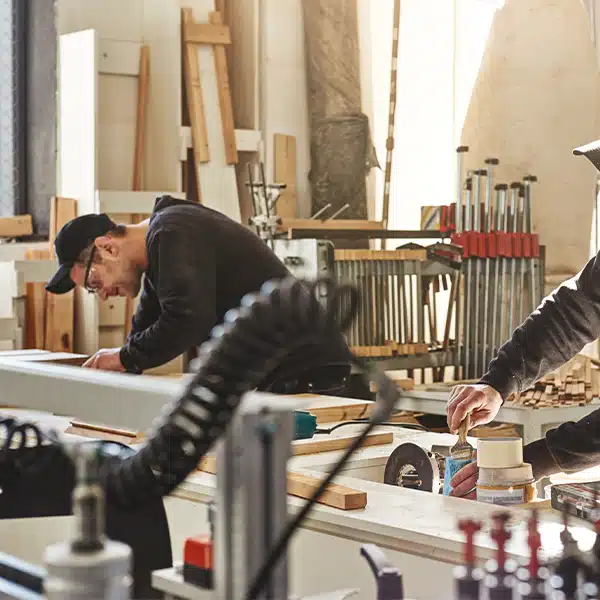
Underneath the upholstery, the frame is quietly doing most of the work. For genuine contract use, domestic construction simply won’t suffice. At HCF we typically use a combination of solid hardwood, high-quality plywood and carefully braced joints to create a robust structure that resists the twisting and racking forces of everyday use.
A well-built frame keeps the seating stable, stops backs from flexing excessively, and ensures that hinges, storage mechanisms or access panels work smoothly over time. It also provides a sound base for future re-upholstery, which is a key part of the long-term value of fixed seating.
Internal Components: The Science of Comfort
Comfort is largely determined by what you can’t see – the foams and support systems inside the seat and back. Seat foams for commercial booth seating are generally firmer and denser than domestic equivalents to prevent “bottoming out” and to keep the shape crisp. Backs may use slightly softer foams, sometimes in multiple layers, to provide good support without feeling hard. Webbing, slats or springs beneath the foam spread load and help maintain performance over years of use.
Different venues can benefit from slightly different specifications. A casual all-day café might favour a softer, lounge-like feel, while a fast-paced quick-service restaurant may prefer a firmer, more upright seat to encourage a comfortable but not overly long stay. As a manufacturer, we can fine-tune foam densities and profiles to suit your concept.
Beyond Upholstery: Laminates and Finishes
The finishes around your booth are just as important as the fabrics. Plinths and kickboards need to stand up to knocks, mopping and cleaning chemicals, so high-pressure laminates, durable paints and hardwoods are all common choices. These elements can be colour-matched or contrasted with your table tops and flooring to create either a seamless or deliberately bold look.
Back panels, surrounds and dividers may incorporate timber cladding, acoustic panels, mirrors or metal trims. Co-ordinating these with your restaurant tables, café tables and bar counters creates a joined-up visual story. Our table tops range covers everything from warm wood grains to marble and stone effects, allowing you to align finishes across tops, booths and other joinery.
Customisation & Branding: Making Your Booths Uniquely Yours
The Power of Custom Booth Seating for Brand Identity
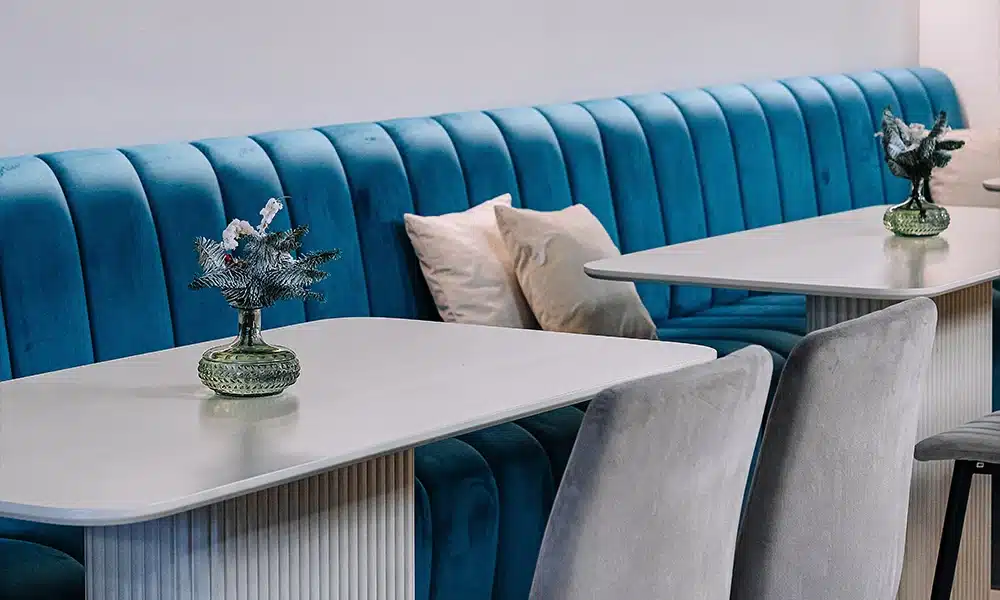
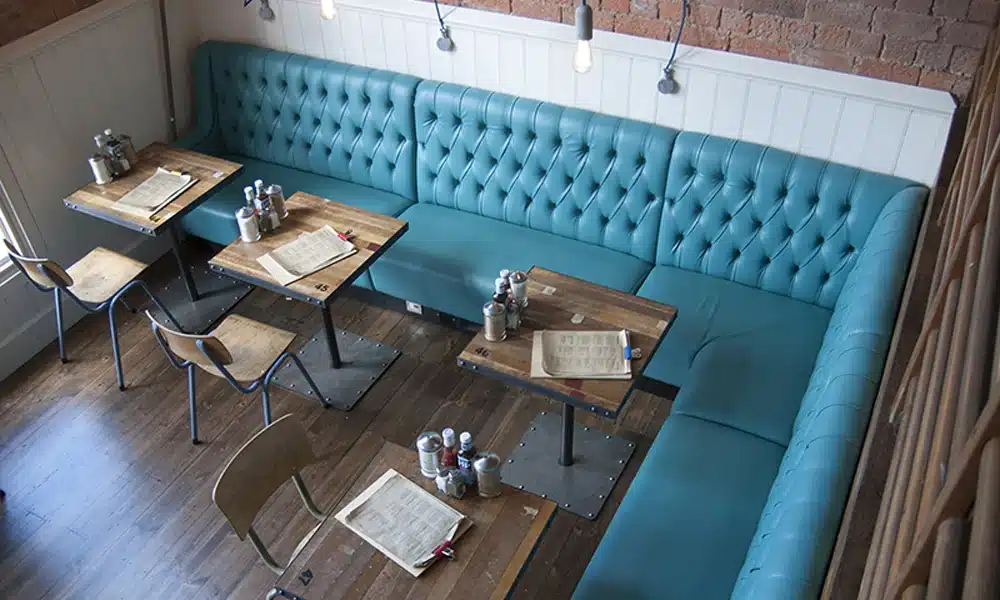
Because banquette benches cover such a large visual area, it’s a powerful vehicle for brand expression. Colour, stitching, profile and detailing all help signal what kind of experience guests should expect. A row of deep-buttoned leather booths says something very different to slim, vertical flutes in a soft pastel fabric.
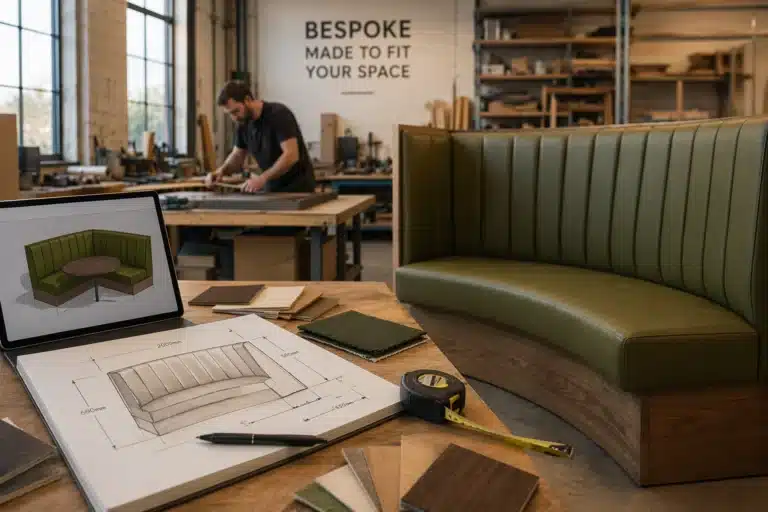
Working with a manufacturer that specialises in bespoke seating gives you the freedom to translate your brand into three dimensions. Within our booth and banquette seating range, almost every aspect can be customised – heights, depths, fluting patterns, buttons, piping, panel details and more. That means your bench seating doesn’t have to look like anyone else’s.
Design Elements for Personalisation and Atmosphere
Small design decisions add up to a big shift in feel. Vertical flutes tend to look contemporary and tailored, while horizontal quilting feels softer and more relaxed. Oversized buttons add a sense of luxury and tradition; clean, unbuttoned backs can feel minimal and modern. High backs increase privacy and control noise; lower backs open up sightlines and make spaces feel more sociable.
Functional features can be integrated without compromising style. Our Haven Storage seating builds under-seat storage into the design – especially useful in tight sites, family restaurants or cafés that need somewhere to keep highchairs or cleaning equipment. The Serene modular collection allows you to mix straight sections, corners and ends to create flexible layouts that can change with your business. Pairing booths with carefully chosen restaurant dining chairs and bar stools from our chairs & stools range lets you layer different seating experiences within the same interior.
Collaborating with an Interior Designer for Cohesive Restaurant Design
If you’re working with an interior designer or architect, your restaurant booths should be fully integrated into the wider scheme rather than specified in isolation. That means considering how it works with flooring, wall finishes, lighting, artwork and loose furniture. Scaled drawings and elevations are extremely useful here, as they allow everyone to understand heights, sightlines and junctions.
At HCF we regularly support design teams by reviewing plans, advising on where fixed seating will be most effective, and producing detailed drawings of booth profiles and construction. We can sample fabrics and finishes early so you can see and touch the options, then build prototypes or sections where needed. The result is commercial furniture that not only looks as intended but also performs in a real-world hospitality environment.
Procurement, Installation & Long-Term Care
Finding the Right Contract Furniture Partner
Choosing a supplier for booth seating is different to ordering loose chairs from a catalogue. You’ll need a partner who can interpret drawings, survey sites where needed, manufacture reliably to size and then install on your schedule. Experience with restaurant, bar and hotel projects is invaluable, as it means they understand the pressures of fit-out programmes and opening dates.
HCF has been manufacturing UK-made booth seating, banquette seating, restaurant tables and other contract furniture since 1990, working with independents, groups and trade buyers across the UK. We’re used to collaborating with shopfitters, project managers and designers, and we understand the importance of clear drawings, realistic lead times and reliable installation teams.
Installation Best Practices for Fixed Seating
A good installation starts long before the vans arrive. Dimensions on drawings should be checked against site conditions, particularly in older buildings where walls may not be perfectly straight. Services such as radiators, sockets and access panels must be allowed for. Once on site, bases are fixed level to floor and/or walls, and sections are joined seamlessly so the finished run feels like a single piece.
Tables are then positioned and set to the correct heights, and any loose restaurant furniture is arranged in relation to the booths. We also pay attention to details like aligning bays with pendant lights or window mullions so the whole space feels intentional. Our article on banquette seating with storage also touches on practicalities such as allowing for lift-up lids and access to services under seats.
Maintenance and Longevity: Protecting Your Investment
Once your banquette seating is in, day-to-day care will determine how it looks and performs over the long term. Regular wiping with appropriate cleaners, prompt treatment of spills and periodic deeper cleaning of fabrics or vinyls all help keep things fresh. Staff training matters too – encouraging them not to stand on seats or drag sharp objects across upholstery can significantly reduce damage.
Minor issues like small nicks, loose stitching or scuffed plinths are best addressed early. Our in-depth booth seating maintenance guide sets out sensible routines and cleaning recommendations. When the time does come for a larger refresh, structurally sound booth seating can usually be re-upholstered rather than replaced entirely, which is both cost-effective and more sustainable.
Fire Safety and Industry Standards
In the UK, fixed seating in hospitality settings must meet specific fire safety requirements. Materials need to be tested and certified to appropriate standards such as Crib 5 to ensure they’re suitable for commercial use. This applies not just to the visible upholstery but also to foams, interliners and other components.
Always ask your supplier for evidence of compliance and keep certificates on file. This is important not only for legal and insurance reasons but also as part of your overall approach to guest safety.
Maximising Your Return on Investment (ROI) with Booth Seating
Quantifying the Benefits: Increased Revenue and Customer Loyalty
It’s helpful to think of booth seating not just as a cost on a fit-out spreadsheet but as an asset that generates revenue. Well-planned banquette runs and rows of restaurant booths typically allow more diners in the same footprint than an equivalent number of separate tables and chairs. Over a busy week, that can translate into dozens or even hundreds of extra covers.
Comfortable, attractive booths can also encourage guests to spend more. People who feel settled are more inclined to order starters, desserts and extra drinks, and are more likely to think of your venue as somewhere to linger. Over time, those impressions contribute to repeat visits and positive word of mouth, which are some of the most valuable forms of marketing a restaurant or bar can have.
The Unseen Value: Acoustics, Staff Efficiency and Brand Perception
Not all benefits show up directly in the numbers, but they still matter. Upholstered booth seating absorbs sound and breaks up large, echoing spaces, making conversation easier and more pleasant. Staff benefit from clear routes around rows and runs of fixed seating, which can make service smoother and less stressful.
Brand perception is another subtle but powerful effect. High-quality booth seating that looks and feels considered tells guests that you care about detail and comfort. That impression spills over into how they view your food, drink and service. Even something as simple as the way a seat “gives” when they sit down can influence their sense of quality.
A Framework for Calculating Your Booth Seating ROI
If you need to build a business case, a simple framework can help. Start by estimating how many additional covers your proposed layout offers compared to a plan with only loose furniture. Multiply that by your average spend per head and the number of services per week. Even a small uplift in cover count can turn into a significant revenue increase over a year.
Then factor in the expected lifespan of your seating and the possibility of refurbishment rather than replacement. Add softer benefits – easier cleaning, fewer chairs to replace, smoother layouts for staff – and you can usually demonstrate that investing in well-made, UK-manufactured booth seating from the outset is a sound financial decision rather than an indulgence.
Beyond the Present: Accessibility, Sustainability & Future Trends
Inclusive Design: Ensuring Accessibility for All Guests
Accessibility should be built into your seating plan from the start. Booths and banquettes can sit alongside more open tables to ensure wheelchair users and guests with mobility aids have comfortable options. It’s important to maintain generous circulation routes, avoid awkward steps or tight corners, and ensure that at least some tables at the ends of banquette runs can accommodate wheelchairs without compromise.
Designing inclusively isn’t only a legal responsibility; it’s also good hospitality. A layout that works well for everyone will feel calm and intuitive to move around, which benefits all guests and staff.
Sustainability in Booth Seating: An Eco-Conscious Approach
Sustainability is increasingly on the agenda for hospitality operators and their customers. With booth seating, the biggest gains often come from durability and the ability to refurbish rather than replace. Robust frames built from responsibly sourced timbers, high-quality foams and resilient fabrics extend the life of your investment and reduce waste over time.
Material choices also play a role. Where appropriate, you might specify fabrics with recycled content, or laminates and timbers from certified sources. As a UK manufacturer, HCF can advise on sustainable options within our range and build seating with future re-upholstery in mind.
The Future of Commercial Booth Seating
The way we use hospitality spaces is evolving. We’re seeing more venues that blend socialising and working, more interest in acoustic control, and more demand for inviting outdoor spaces. Booth seating is adapting to that trend, with integrated power and data for laptops and phones, high-back acoustic pods that blur the line between meeting spaces and restaurant booths, and outdoor booth seating that allows terraces to function as “rooms” for much more of the year.
What remains constant is the central role of booth seating in shaping guest experience. When it is designed thoughtfully, built well and cared for properly, it becomes one of the most hard-working and memorable parts of your venue.
Crafting Unforgettable Dining Experiences
Commercial booth seating is far more than a design flourish. It shapes how guests move, how they feel, how they hear the room and how long they stay. It affects how many people you can seat and how effectively your staff can work. Done properly, it becomes a structural part of your hospitality strategy, not just a line item under “furniture”.
Whether you are planning a complete new fit-out or a carefully phased refurbishment, your fixed seating deserves as much attention as your kitchen or bar. As a UK manufacturer of made-to-measure booth seating, banquette seating, modular seating, tables, bases, chairs and stools, HCF Contract Furniture can help you turn drawings and ideas into Crib 5 compliant seating that works beautifully in real life.
Ready to Plan Your Outdoor Furniture Space?
To start planning, explore our booth and banquette seating collection and related resources, including guides on small-space banquettes, storage seating and innovative booth layouts.
- sales@hcfcontract.co.uk
- 01708 331757
FAQs About Commercial Banquette Seating
Booth seating usually describes more enclosed arrangements such as two benches facing each other with a table between, while banquette seating refers to longer runs of built-in seating along walls or around the perimeter. In practice most venues will use a mix of both, plus loose tables and chairs, to get the best from their space.
Start by looking at your floorplan, your target customers and your concept. Think about how many covers you need, where you want quieter or livelier zones, and how booths will work alongside restaurant tables, café tables and loose dining chairs. A specialist manufacturer like HCF can review your drawings and recommend suitable styles, dimensions and materials.
Yes. One of the biggest advantages of fixed seating is its ability to follow the exact lines of your walls, corners and alcoves. At HCF we regularly create bespoke seating for awkward corners, curved walls, bay windows and tight floorplans, including corner booths, round booths and storage banquettes.
Follow the upholstery manufacturer’s cleaning guidance, wipe down seats daily, treat spills promptly and schedule occasional deeper cleans. Inspect seams, plinths and fixings regularly so issues can be dealt with early. For a more detailed routine, read our ultimate booth seating maintenance guide.
If the frames are still sound, re-upholstery is often the most economical solution. HCF can replace foams, fabrics and finishes, and even update the look – for example by changing from plain backs to fluted or buttoned styles – giving your restaurant booths a fresh appearance without a full rip-out.
Visit our guide on Booth & Banquette Seating Re-Upholstery Services.
See Our Other Inspirations and Guides