Hotel Lobby Seating & Lounge Furniture Buying Guide

A hotel lobby is more than a pass-through. It’s where arrivals form opinions, where people pause between meetings, and where families regroup before heading out. The right hotel lobby seating turns those moments into calm, confident hospitality; the wrong layout creates queues, awkward luggage pile-ups and nowhere comfortable to land. Well-specified commercial hotel lobby seating is what keeps this space performing day after day. For operations teams and specifiers, great hotel lobby design is about balancing flow, comfort and durability while supporting the overall guest experience.

This guide covers hotel lobby furniture that works in real life: how to plan hotel lobby seating for short waits and longer stays, how to zone reception, waiting and lounge areas, and how to specify finishes that stay smart under housekeeping routines within your wider hospitality furniture scheme. We’ll also show how the right lobby furniture reinforces brand identity—especially for luxury hotels where the lobby is part of the story, not just a corridor.

What furniture belongs in a hotel lobby?

When people ask what furniture belongs in a hotel lobby, they’re usually trying to solve three needs at once: a place to wait, a place to meet, and a place to relax. The most successful hotel lobby design schemes use a clear mix of pieces that look intentional together: hotel lobby chairs for short stays, sofas and armchairs for longer dwell times, plus practical surfaces such as occasional tables and coffee tables that match your wider seating collection.

Because lobbies are high-traffic environments, it helps to think in hotel furniture families rather than one-off hero pieces. When you choose coordinated hotel furniture, your hotel lobby furniture feels cohesive, and replacements are easier later.

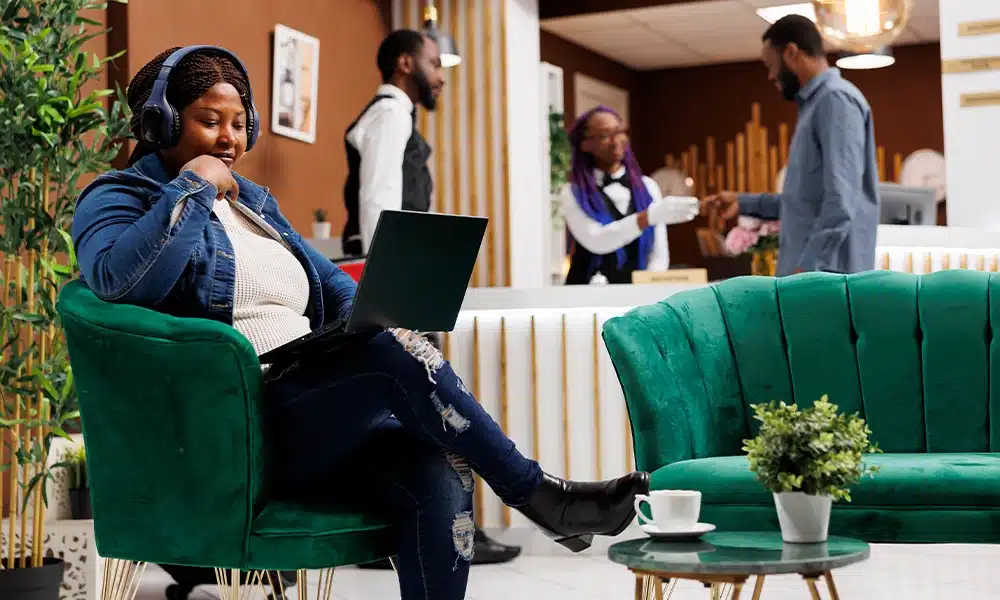
a lady sits on a velvet green booth chair in a busy hotel lobby

Hotel lobby seating starts with arrivals and behaviour

The best hotel lobby seating is designed around what guests actually do. Business travellers arrive in pulses and need somewhere to perch briefly while checking emails. Leisure guests often arrive in groups with luggage and want a comfortable landing spot. Families need clusters with easy sightlines and enough surface space for drinks, snacks and devices. Supporting these patterns is central to the guest experience, and it’s where good circulation planning pays off.

A practical rule: place short-stay seating within sight of the desk, but never in the queue line. That way, your front-desk team can call guests forward smoothly, and the waiting area doesn’t become a bottleneck. Deeper lounge areas can sit slightly further back, where people can settle in without being interrupted by check-in flow.

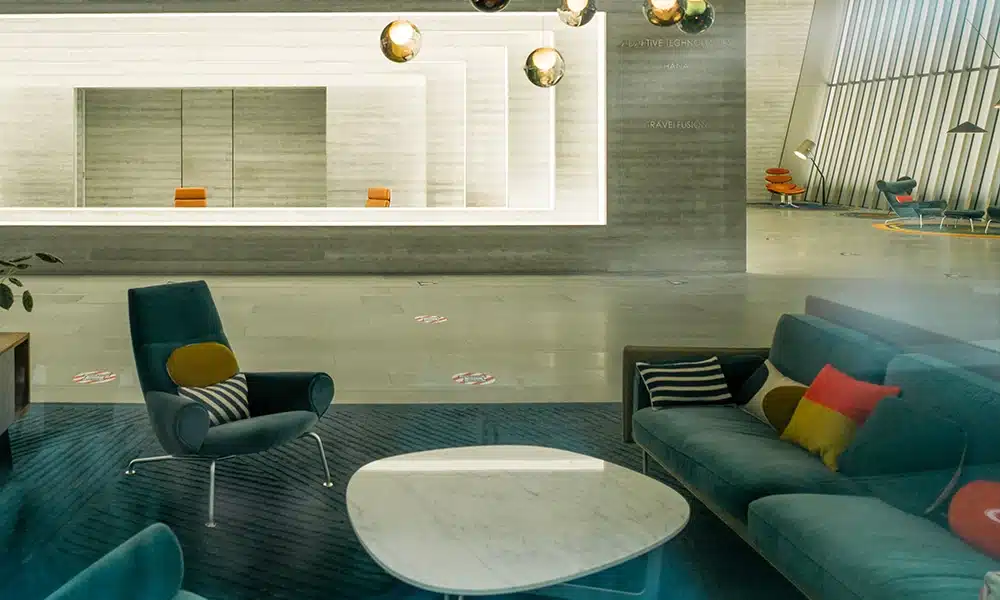
spacious interior of a hotel lobby with teal soft seating and sofas

Hotel reception seating ideas that reduce queuing pressure

For most properties, the busiest pressure point is hotel reception. Strong hotel lobby design protects the desk area first: clear paths from entrance to the desk, and from entrance to lifts. Then you add seating pockets around those paths.

Upright, supportive hotel lobby chairs and stools work well for short waits because guests can sit down and stand up easily, especially when they’re carrying bags. A single, well-positioned lobby chair close to the desk is also useful for accessibility—some guests simply need a reliable seat while they check details or wait for assistance.

If you want reception seating ideas that still feel premium, choose a small cluster of chairs with arms and a compact table, rather than a long row—our luxurious chairs category is a good starting point. It looks more like a lounge and less like an airport queue.

Lounge zones for long dwell times and informal meetings

The lounge area is where your lobby becomes a destination. Done well, it supports longer dwell times: coffee meetings, pre-dinner drinks, laptop work and relaxed waiting. This is also where brand identity can be expressed most clearly, because guests have time to notice textures, proportions and detail.

If you’re looking to include a more enclosed work space for guests, see our guide on Acoustic Meeting Pods and Office Booths.

For comfort-led zones, combine sofas with hotel lobby chairs that have supportive backs and arms from our sofas, tubs and armchairs range. Keep coffee tables close enough that guests don’t have to lean forward awkwardly, and include at least one higher perch or side table for laptop use. In luxury hotels, specifying luxury hotel seating with richer upholstery and considered detailing can elevate perceived value while still meeting contract expectations.

How to create zones in a hotel lobby without building walls

If you’re thinking about zoning, you don’t need partitions—you need cues. The strongest hotel lobby design uses furniture grouping, rugs, lighting and orientation to define areas while keeping sightlines open.

A hotel reception area-adjacent waiting zone might use two lounge chairs and a small table for quick sits; keeping finishes consistent with your table tops helps the whole lobby read as one scheme. A lounge zone might use a sofa plus several chairs arranged around coffee tables. A flexible work zone might use a pair of compact work chairs near a power point, positioned so guests can work without sitting in the main flow. This approach improves the guest experience because people can quickly find the “right” place to land.

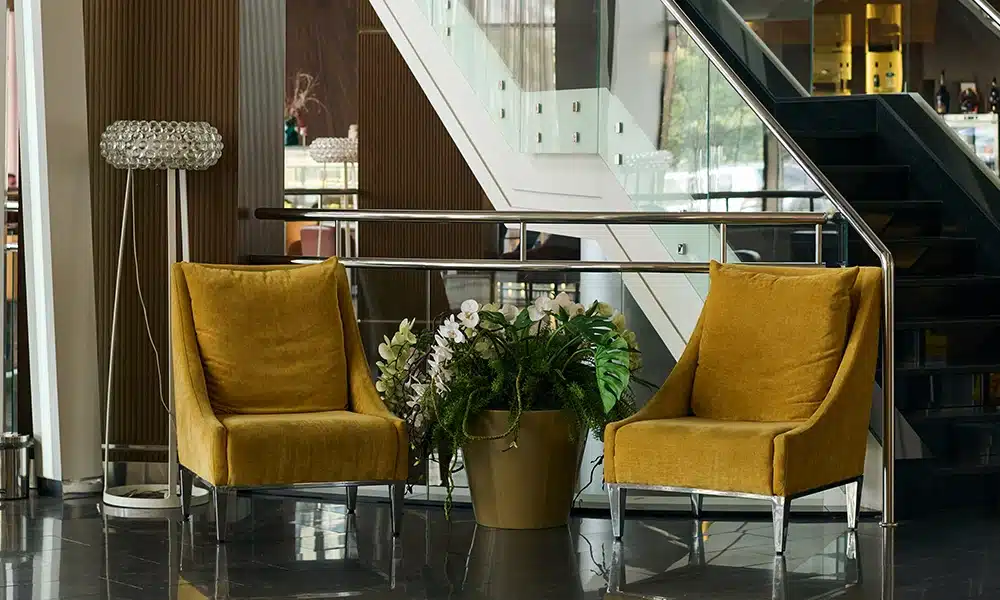
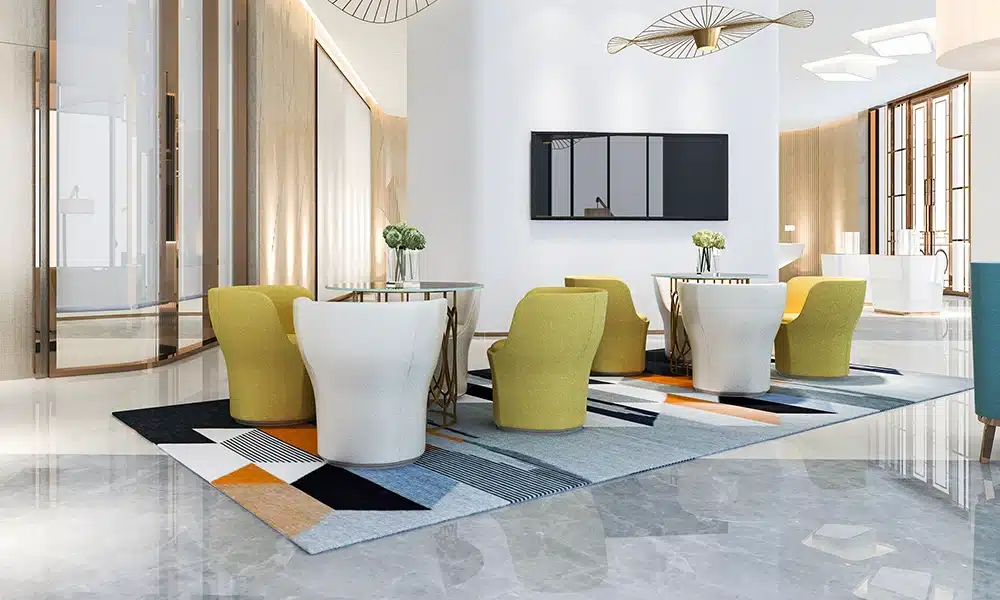
hotel lobby with mustard yellow upholstered chairs

Hotel lobby seating for small spaces

In compact properties, overcrowding is the enemy. For hospitality chairs in small spaces, prioritise pieces with a smaller footprint and clearer circulation rather than trying to “fit everything in”. A few well-chosen lobby chairs can outperform a bulky sofa if they keep paths clear.

Perimeter solutions can also help, especially when paired with neat footprints from your table bases selection. A banquette along a wall provides capacity without scattering chair legs across the floor, and it creates a clean edge that helps the space look organised. If you need a usable micro-work spot, one carefully placed lobby chair by a side table can do the job without taking over the room.

green and white modern hotel lobby chairs for hotels

Modular lounge seating and adaptable layouts

Some lobbies need to flex: weekend leisure surges, weekday business peaks, and event arrivals. Good hotel lobby design anticipates this, especially if your lobby connects to spaces like hotel restaurant booth & banquette seating. That’s where modular seating can be valuable—allowing you to reconfigure a lounge cluster without replacing everything.

Even without fully movable systems, you can design for adaptability by choosing a consistent family of chairs that can be regrouped. This keeps your hospitality furniture looking intentional through different operating modes.

Upholstery, durability and housekeeping reality

Hotel lobbies see constant use: wet coats, suitcase scuffs, makeup transfers and frequent cleaning. Durable upholstery is essential, but so is choosing finishes that are maintainable day-to-day. In most cases, performance fabrics and high-quality faux leathers give you the best balance of comfort and wipeability.

Crib 5 compliance should be part of your baseline for upholstered seating in hospitality environments—our guide to fire safety & Crib 5 regulations summarises the practical implications. We keep this brief here, but it’s worth aligning early so procurement and sign-off stay smooth.

Accessibility and inclusive comfort in shared public areas

Hospitality chairs have to work for a mixed crowd: guests with luggage, older visitors who prefer a higher perch, parents with pushchairs, and business travellers who want a quick, comfortable pause. Build in variety on purpose—some firmer upright seats, some deeper lounge pieces, and enough clear space between groups for easy navigation. Seats with arms help many people sit down and stand up comfortably, while a few slightly higher perches near the entrance can keep wet coats and bags off softer upholstery.

It’s also worth thinking about surfaces. A couple of tables at “laptop-friendly” height can stop guests balancing devices on knees, and it gives your lobby a quiet productivity layer without turning it into a co-working space.

Seating choices that reflect the hotel brand

A hotel reception area is a branding touchpoint. The colour, shape and feel of your hotel lobby furniture can reinforce your concept—from modern minimal to classic comfort. In premium properties, investing in luxury hotel seating often pays back through perception: guests expect softness and detail, not “generic waiting room” pieces, and it should align with adjacent areas like your hotel bar & lounge seating. The trick is to specify premium-looking finishes that still behave like contract pieces, then keep the palette consistent across your lobby furniture and lounge areas.

If you’re working with multiple interior moments (café point, lounge, waiting), your seating options should feel coordinated, agree your core materials early and let smaller accents do the talking. It keeps the room cohesive and makes refreshes simpler.

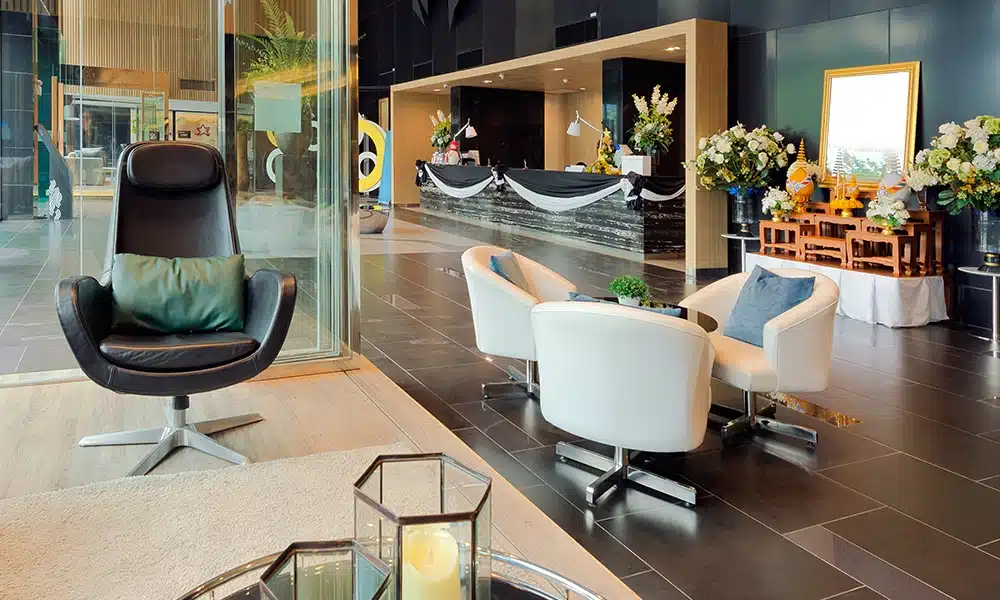
hotel guest reception area with soft seating and lounging chairs

Quick guide to hotel lobby chairs vs lounge chairs

Not every chair in a lobby should behave the same way. Hotel lobby chairs near hotel receptions often need to be upright and supportive for short waits. A lobby chair in a lounge cluster can be deeper and softer, because guests are likely to stay longer. Mixing these intentionally helps the room perform: short-stay seats reduce loitering at the desk; lounge seats encourage dwell where you want it.

This is also how you avoid the “all the same chair” problem. A variety of silhouettes makes the lobby feel curated, not cookie-cutter, while still supporting housekeeping and durability.

Ready to refresh your hotel lobby seating?

If you’re planning a refurbishment or a full rework, we can help you specify hotel lobby seating and hotel lobby furniture that supports flow, comfort and the daily realities of cleaning. From compact chairs for reception areas to lounge seating areas designed for informal meetings, we’ll help you shape a layout that protects circulation and enhances the guest experience.

Explore our seating collections, or speak to our team about contract-ready pieces tailored to your lobby concept.

Hotel Lobby and Lounge Seating FAQs

How much seating should a hotel lobby have?
It depends on peak arrival surges and how long guests typically wait. Start by planning for your busiest check-in window, then add lounge capacity if the lobby is a destination for meetings, coffee or informal work.
How do I choose sofas for hotel lobbies?
Choose sofa sizes that suit your typical group behaviour, then pair them with supportive chairs so guests have options. In higher-traffic areas, prioritise wipeable finishes and robust frames.
What are the best hotel reception seating ideas?
Keep seating within sight of the desk but out of the queue line. Use upright chairs with arms for short waits, plus a nearby lounge cluster for overflow during peak arrivals.
How do I maintain hotel lobby furniture?
Select materials that suit your cleaning routine, then build a simple schedule: daily wipe-downs, prompt attention to spills and periodic checks for loose glides or fixings.

See Our Other Inspiration Posts and Guides

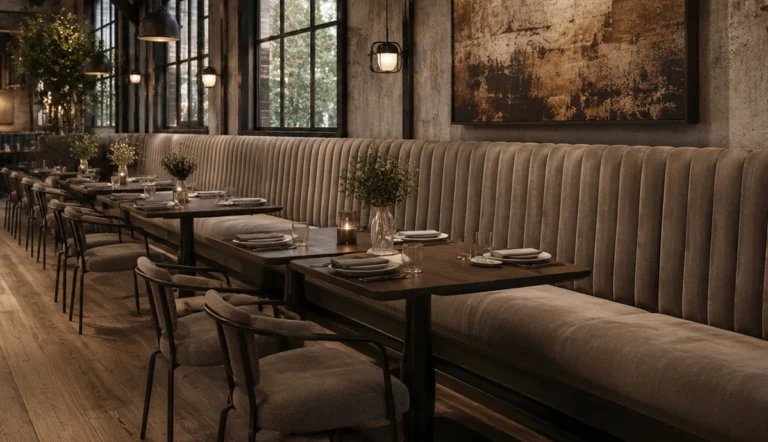
Banquette seating in a dimly lit restaurant interior, live oak wood walls and chairs around the room
Read More
Large Nook Acoustic Pods in an office space, brightly lit room and internal lights light up the interior of the meeting pods
Read More
A stack of fabrics in patterned designs on a table
Read More

What are you looking for?