Hotel Bar & Lounge Seating Buying Guide
A great hotel bar isn’t just somewhere guests grab a drink before heading out. Increasingly, it’s a destination in its own right: a place for informal meetings, evening cocktails, and long, relaxed stays that drive food and beverage revenue. The right hotel bar seating and hotel lounge seating play a huge role in making that happen. They shape how long guests stay, how comfortable they feel, and whether the bar reads as premium, welcoming and intentional. Unlike hotel lobby seating, which focuses on arrivals and short waiting periods, hotel bar and lounge seating is designed for longer evening stays, socialising, and drinks-led service.
This guide looks at hotel bar & lounge seating from an operational and design-led perspective. We’ll cover how to design a hotel bar seating layout, how to balance bar stools, poseur seating and lounge furniture, and how to create atmosphere without sacrificing durability. The focus here is firmly on drinks-led spaces and evening trade; if you’re planning arrivals or check-in comfort, our related guide to Hotel Lobby Seating & Lounge Furniture covers that in detail.
The hotel bar as an F&B destination
In modern hotels, the bar and lounge are no longer secondary spaces. They’re often the most visible part of the property to non-residents, and a key touchpoint for brand perception. Seating choices here directly influence dwell time: upright perches encourage faster turnover, while softer seating supports longer stays, second rounds and dessert cocktails.
Good hotel bar furniture helps you control that balance. Bar counter stools draw people in and keep energy high. Poseur seating creates social, semi-standing zones ideal for groups. Lounge seating softens the space, giving guests somewhere to settle for the evening. The most successful schemes combine all three, zoning the bar without making it feel chopped up.
Best seating for hotel bars: matching comfort to dwell time
When operators ask about the best seating for hotel bars, the answer is rarely one type of chair. Instead, it’s about matching seating to how long you want guests to stay in each area.
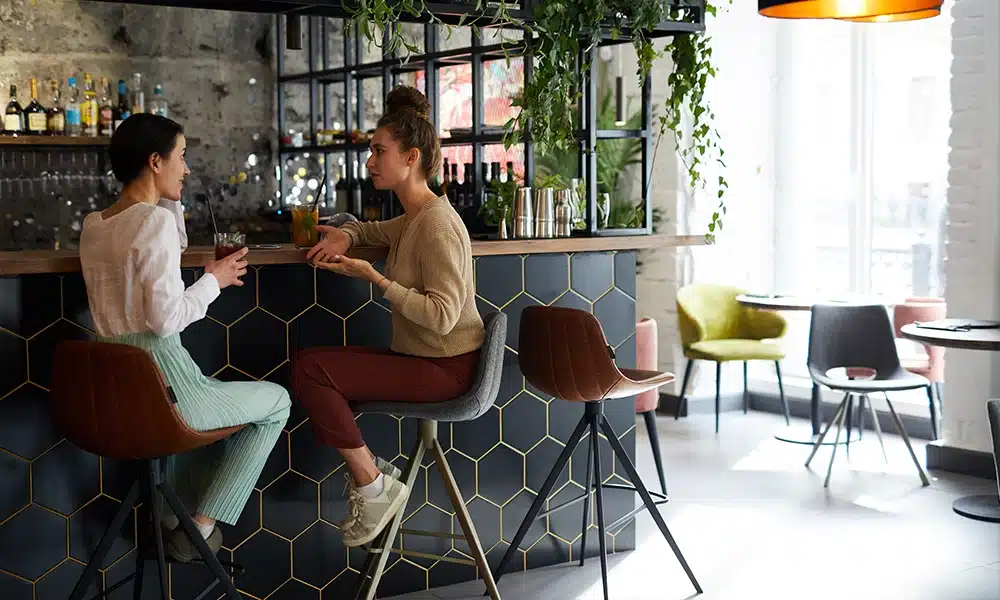
Bar counter seating is typically more upright, with a clear view of the bar back and bartender activity. It’s ideal for solo travellers, quick drinks and pre-dinner moments. Poseur and high bar seating sit slightly away from the counter and support small groups who want to stand, perch and chat. Lounge seating—armchairs, sofas and banquettes—is where guests linger longest, particularly in cocktail-led bars.
Choosing the right mix of hotel bar chairs, hotel bar stools and lounge furniture gives you subtle control over behaviour without signage or staff intervention.
How to design a hotel bar seating layout
If you’re wondering how to design a hotel bar seating layout, start with sightlines and circulation. Guests should be able to see the bar back clearly from most seats; it reinforces atmosphere and draws people in. At the same time, staff routes from bar to tables need to stay clear, especially during busy evening service.
A common approach is to anchor the space with bar counter stools, then layer in poseur tables behind or to the side of the bar, and lounge pockets further out. This keeps the energy gradient natural: lively near the bar, calmer as you move away. Avoid pushing lounge seating too close to the counter, where noise and foot traffic can undermine comfort.
For guidance on stool spacing and heights, our page on Bar Stools & Poseur Height Seating goes into the practical detail.
Bar stools, poseur seating and heights that work
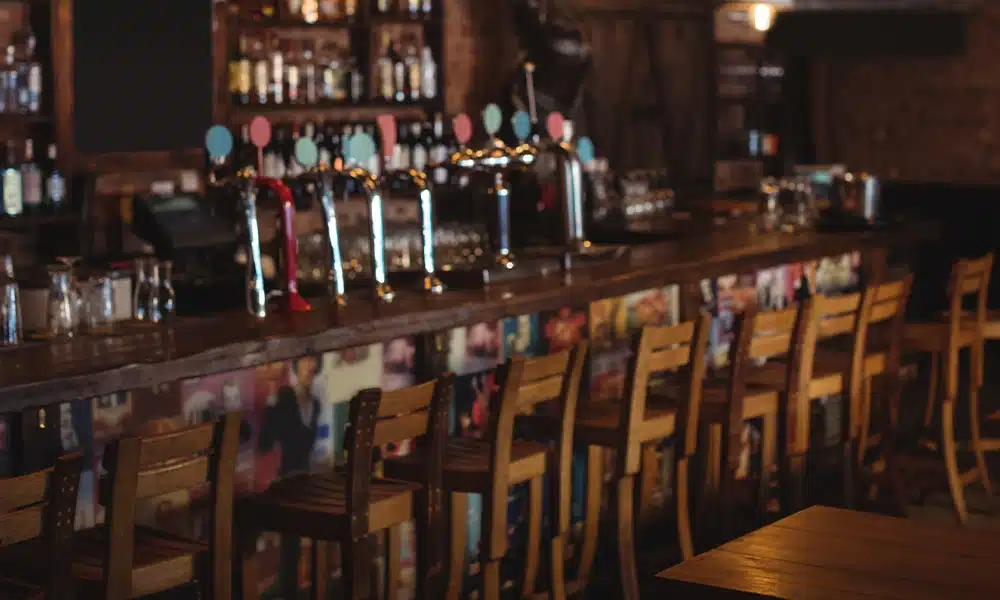
Bar stools are often the first thing guests interact with in a hotel bar, so comfort matters more than many people expect. A supportive footrest, stable base and the right seat height all contribute to whether guests stay for one drink or three.
If you’re working through a hotel bar stool height guide, the key is consistency. Bar counters typically sit around 1100mm high, while poseur tables are slightly lower. Matching stool height to surface height avoids awkward perching and improves overall comfort. Backed stools are generally better for longer stays, while backless designs encourage quicker turnover near the bar.
Our chairs & stools category includes bar stools designed specifically for hotel and hospitality use, with contract-grade builds and finishes that stand up to nightly service.
Poseur tables vs dining tables in hotel bars
Hotel bars often blur the line between drinking and light dining, which raises the question: poseur tables vs dining tables in hotel bars—which should you use? The answer usually lies in how food-led the bar is.
Poseur tables are ideal for drinks-led service, sharing plates and social interaction. They keep the space dynamic and work well for groups who don’t want a formal sit-down experience. Dining-height tables suit more substantial food menus and guests who plan to stay put for a full meal.
Many hotel bars use both. Poseur seating near the bar supports social flow, while a small number of dining-height tables—often paired with lounge-style chairs—accommodate guests who want to eat comfortably without leaving the bar. When specifying tables, our Restaurant Tables & Table Bases guide offers light, practical context around stability and footprints without drifting into technical detail.
Creating a hotel cocktail lounge feel with seating
If you’re aiming to understand how to create a hotel cocktail lounge feel, seating is one of your strongest tools. Softer silhouettes, lower seating, and more generous spacing all signal that this is a place to relax rather than rush.
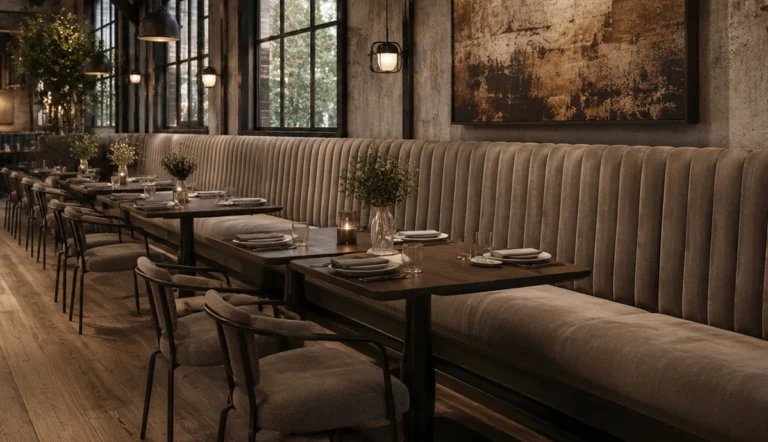
Cocktail lounge seating often combines upholstered lounge chairs with small tables, plus occasional sofas or banquettes along walls. The goal is intimacy without isolation: guests should feel tucked in, but still part of the room’s energy. Upholstery colour and texture play a big role here, helping absorb sound and create warmth, especially in evening lighting.
This is where hotel lounge furniture can really differentiate your bar from a standard high-street venue, reinforcing a premium, destination-led identity.
Durable seating for busy hotel bars
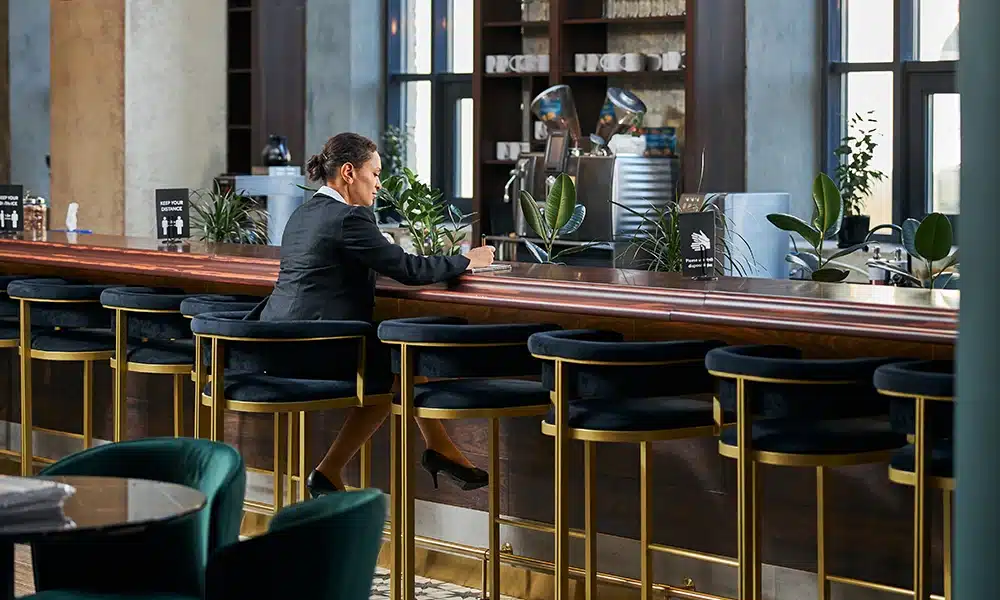
Hotel bars are spill-heavy environments. Drinks get knocked, ice melts, glasses sweat and food inevitably ends up on seats. That’s why durable seating for busy hotel bars starts with the right materials.
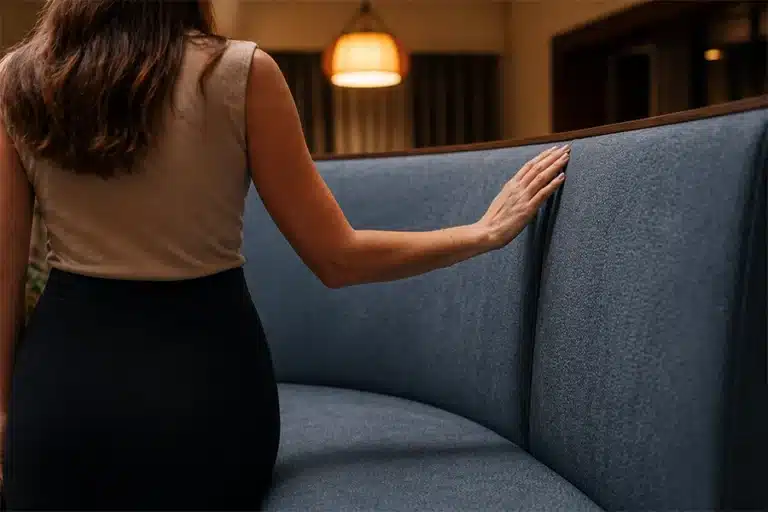
For upholstered bar seating, wipeable faux leather and contract vinyls are often the most practical choice near the bar and high-traffic zones. Performance fabrics can work well in lounge areas, bringing texture and softness while still coping with regular cleaning. The key is specifying upholstery that’s genuinely designed for hospitality, not residential use.
Because bar seating is subject to nightly use, frames and fixings matter too. Contract bar seating is built to handle constant movement, leaning and dragging without loosening or wobbling—an important distinction from domestic furniture.
Crib 5 compliance and practical safety
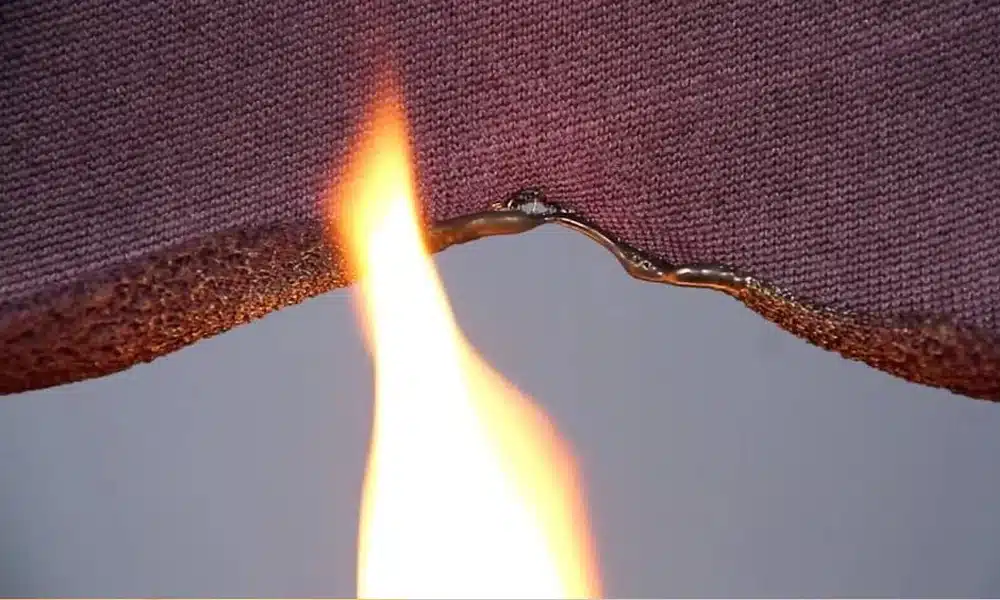
All upholstered seating in hotel bars needs to meet relevant fire safety standards. Crib 5 bar seating is the expected benchmark in UK hospitality environments, covering both foam and fabric performance. While we won’t go into regulatory detail here, our guide to Fire Safety & Crib 5 Regulations for Hospitality Seating explains what this means in practice and why it matters for specification and sign-off.
Using banquettes and booths to increase capacity
Not every hotel bar needs loose seating everywhere. Fixed solutions can be extremely effective when used selectively. Banquette seating for hotel bars along walls or windows increases capacity without cluttering circulation routes, and it creates a strong visual edge to the space.
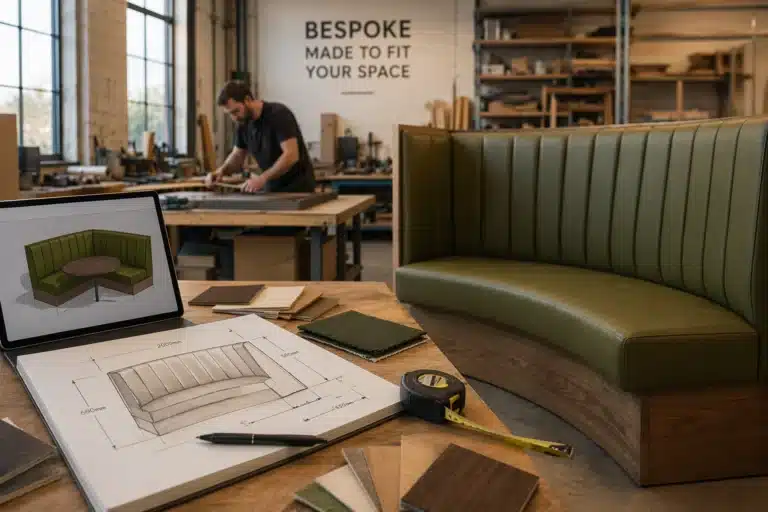
In some layouts, booth seating for hotel bars can form semi-private pockets that are ideal for group bookings or premium experiences. The key is moderation: fixed seating should support the overall flow, not dominate it. If you’re exploring this route, our Commercial Booth & Banquette Seating guide provides a useful overview without drifting into restaurant-specific layouts.
Zoning a hotel bar and lounge area with furniture
One of the biggest challenges in hotel bar design is variety without confusion. If you’re thinking about how to zone a hotel bar and lounge area, furniture does most of the work for you.
High-energy zones sit closest to the bar, with stools and poseur tables encouraging movement and interaction. Softer lounge pockets sit further out, supporting longer stays and conversation. Changes in seat height, upholstery and table scale signal these zones clearly, without physical barriers.
This zoning also helps staff. Service patterns become predictable, and guests intuitively choose seating that matches their mood—improving flow on busy nights.
Hotel bar seating for small spaces
Smaller hotel bars need to work harder per square metre. Hotel bar seating for small spaces benefits from slim-profile stools, compact poseur tables and carefully placed lounge chairs rather than oversized sofas.
Perimeter banquettes can be particularly effective here, freeing up central space and reducing the number of loose items to manage. Choosing stable table bases with appropriate footprints also helps keep walkways clear and tables wobble-free in tight layouts.
How many bar stools should a hotel bar have?
There’s no fixed rule for how many bar stools a hotel bar should have, but a good starting point is to avoid lining the entire bar edge. Leaving gaps improves access, supports staff workflow and prevents overcrowding during peak service.
As a rough guide, stools spaced comfortably along 60–65% of the bar length often perform better than a continuous run. The remaining space gives flexibility for standing guests and quick interactions, which is important in hotels where guests may drop in briefly.
Bringing it all together: coordinated furniture schemes
The most successful hotel bars feel cohesive, not pieced together. That usually means selecting hotel bar furniture and hotel lounge furniture from complementary ranges, with consistent finishes and proportions. Tables, bases, chairs and stools should feel like they belong together, even if they serve different functions.
Using dedicated categories such as Table Tops and Table Bases makes it easier to keep finishes aligned across bar and lounge areas, without overcomplicating specification.
Ready to plan hotel bar & lounge seating?
Whether you’re refreshing an existing bar or designing a new F&B destination, we can help you specify hotel bar seating and hotel lounge seating that balance atmosphere, comfort and durability. From bar stools and poseur seating to lounge chairs, banquettes and tables, our team works with hotel operators, designers and contractors to create seating schemes that perform night after night.
Explore our hospitality furniture range, or speak to the HCF team about a layout tailored to your bar concept, guest mix and service style.
- sales@hcfcontract.co.uk
- 01708 331757
Hotel Bar & Lounge FAQs
See Our Other Inspiration Posts and Guides