
Classroom & Study Area Seating for Schools & Colleges
Classroom seating has an unglamorous job: it needs to be used all day, every day, by pupils and students who rarely sit “gently”, and it still has to feel comfortable enough to support learning without becoming a distraction. In schools and colleges, seating isn’t just a furniture choice — it shapes posture, attention, movement, supervision, and how quickly a room can reset between lessons.
This guide looks at classroom seating and study area seating for secondary schools, sixth forms and FE colleges. We’ll focus on prolonged daily use, durability, cleanability, layouts that support circulation and supervision, and how to keep seating consistent across multiple rooms without limiting teaching styles. For the wider category context, start at Office & School Furniture.
Classroom chairs vs study seating: the difference matters
It’s tempting to treat “student seating” as one category, but classrooms and study areas behave differently.
Classrooms need seating that supports focus and forward attention, works with frequent transitions (sit, stand, group, move), and stays aligned with supervision. Chairs are moved constantly and are expected to “stack back into order” quickly, even when the timetable is tight.
Study areas are different. Dwell times are longer and tasks vary — reading, laptop work, revision, group discussion, independent learning. Seating can be slightly more relaxed and comfort-led, but still needs to support posture and avoid encouraging slouching that becomes uncomfortable by mid-session. The best study seating feels calm and supportive, not lounge-like.
If you’re planning quieter, longer-dwell study zones within libraries or learning commons, our Library & Community Hub Seating page is a useful companion for zoning ideas and comfort considerations in quieter spaces.
What “best seating for classrooms” really means in day-to-day use
For most education teams, the “best” classroom chair is the one that disappears into the background: it’s comfortable enough that students don’t fidget constantly, and robust enough that you’re not replacing half the room after a year.
In practice, strong classroom seating tends to share a few characteristics:
It supports an upright posture without feeling rigid. It’s stable, so students don’t feel wobbly or perched. It handles heavy daily use without loosening. And it’s simple enough to clean quickly, because classrooms are not just learning spaces — they’re also high-touch environments.
If you’re reviewing contract options across chair types, our Chairs & Stools category is the right starting point for education seating.
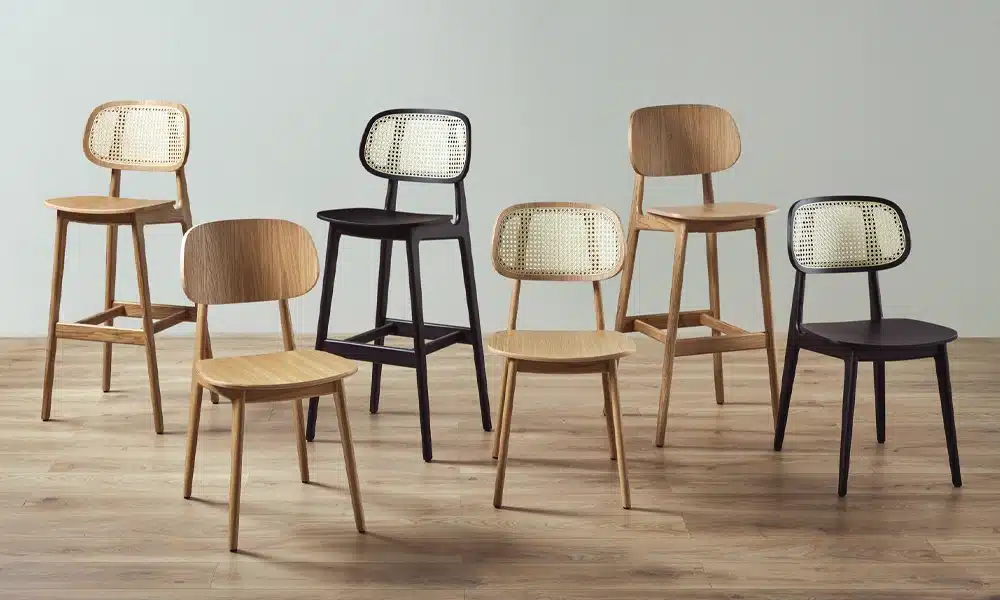
Posture and prolonged use: comfort that supports attention
Classroom seating for long lessons needs a balance: too hard and students shift constantly; too soft and posture collapses. The goal is supportive comfort — seating that keeps students attentive without discomfort being the loudest thing in the room.
Posture also changes with age. What suits a Year 7 classroom may not suit an FE study space. In colleges, students are more likely to use laptops for extended periods, making back support and seat stability more important. In secondary schools, chairs are moved more frequently, so lightweight durability and easy handling can be a bigger priority.
When you’re specifying, it can help to think in “use cycles”: a chair in a frequently used classroom may see hundreds of sits per day. That reality should guide build quality decisions more than how the chair looks in an empty room photo.
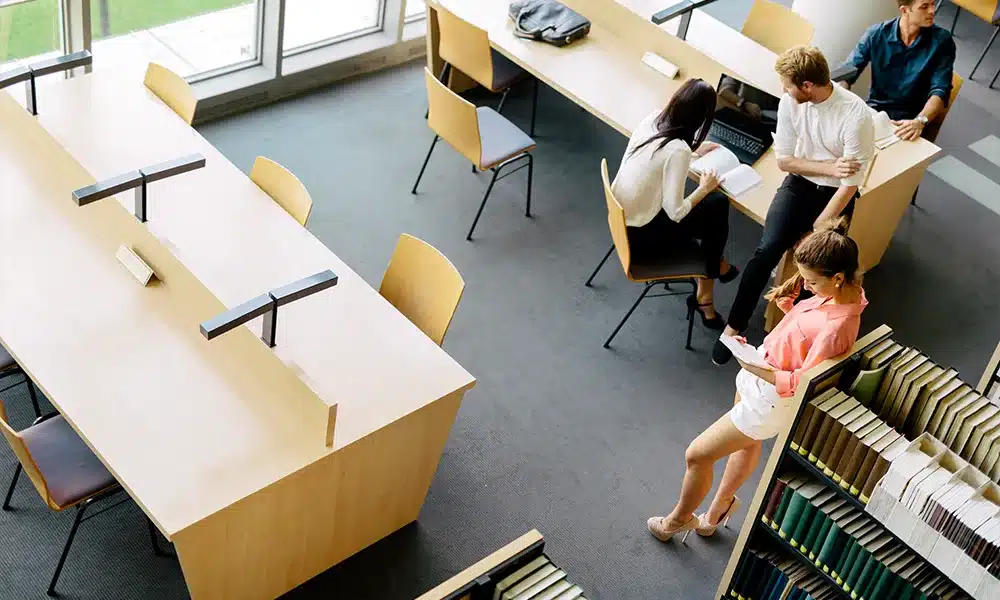
Durability under heavy use: where education seating fails first
The wear pattern in schools is predictable. Chairs fail where they’re stressed: joints, legs, and the areas students grip and drag. Surfaces also take constant abrasion from clothing, bags, and contact with desks.
A few design and specification choices can make the difference between furniture that lasts and furniture that slowly becomes a maintenance problem:
Stable frames and solid fixings matter because wobble spreads — once a chair starts moving, wear accelerates. Durable finishes matter because visible scuffs and scratches can make a room feel tired even when everything is technically functional. And “repairability” matters in education estates: it’s rarely practical to replace whole rooms frequently, so chairs that can be maintained sensibly are often the best lifecycle choice.

Easy clean classroom seating: cleanability without fragility
Cleanability is a daily operational requirement, not an occasional deep-clean consideration. In schools and colleges, chairs need to tolerate frequent wipe-downs and stay presentable. This isn’t only about hygiene — it’s about how the space feels. A room with chairs that always look slightly grubby undermines the sense of care and order that supports learning.
Hard-surface chairs can be excellent in many classrooms because they’re fast to wipe and robust. Where upholstery is used (more common in staff, specialist spaces, or certain study settings), the detailing needs to be simple enough to clean without trapping dust and debris. Deep seams and heavy tufting tend to age poorly in education environments.
Classroom layouts: supervision, circulation and teaching style
Flexibility across classrooms: standardise without limiting teachers
Many schools and colleges want consistency across rooms — it simplifies procurement, replacements, and maintenance. The challenge is standardising in a way that doesn’t restrict teaching styles.
A practical approach is to standardise the “core” chair type for the majority of classrooms, then add small variations where needed: perhaps a slightly different chair for specialist rooms, or a different seating type for sixth form study areas. This keeps the estate manageable without forcing every space into an identical mould.
Consistency also helps students. When seating feels familiar across rooms, one small friction point disappears. That might sound minor, but in a busy school day, removing friction adds up.
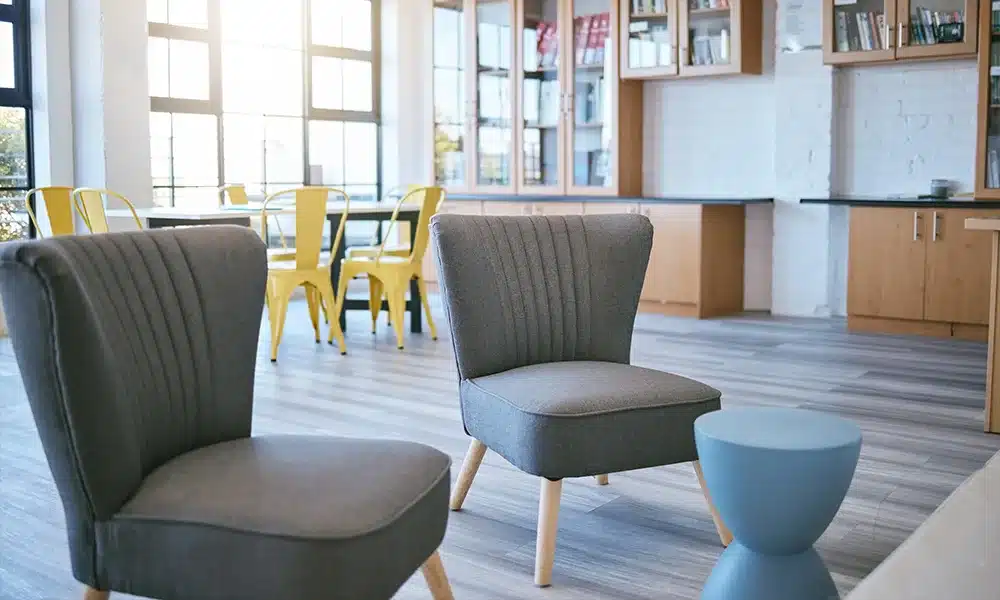
Seating for school study areas: supporting longer dwell time
Study area seating for colleges and sixth forms has a different job. Students might sit for extended periods, often with laptops, and often in quieter zones where small discomforts become noticeable. These areas also need to feel calm — not like an overflow classroom, but not like a lounge either.
The best study seating supports longer dwell time with a more forgiving comfort level while still maintaining a posture that supports concentration. It also benefits from zoning: small clusters for collaborative study, plus quieter individual areas where students can work without constant interruptions.
If your study zones are adjacent to social or breakout spaces, it’s worth being clear about purpose. Study areas should feel more focused and less “drop-in”, otherwise they gradually become social seating by default.
Focused study vs informal collaboration: keeping spaces distinct
One of the easiest mistakes in modern learning environments is blurring study and breakout zones until neither works well. Soft, informal seating can be brilliant for collaboration and culture, but it tends to invite noise and longer social dwell time.
Study seating, by contrast, should support calm and concentration. That doesn’t mean it has to be uncomfortable — it means it should feel purposeful. If you’re also developing informal collaboration areas elsewhere in the building, our Breakout Area Furniture & Soft Seating Page is a helpful reference for making that contrast work so study zones stay genuinely usable.
Age ranges and mixed-use spaces: secondary, sixth form and FE
Education estates often include mixed environments: secondary classrooms, sixth form centres, FE study zones, and shared learning hubs. The seating needs across these spaces overlap, but they aren’t identical.
Secondary environments usually prioritise robustness, quick reset, and behaviour management under high movement. Sixth form and FE spaces often prioritise longer sitting comfort, calmer aesthetics, and support for independent learning. The best estate-wide approach usually combines a consistent core of durable seating with a small number of targeted upgrades where dwell time increases.
This also supports phased refurbishments. If you can define which spaces genuinely need “more comfort”, you avoid over-specifying the whole estate and keep budgets tied to real operational need.
Upholstered seating in education: a high-level note on fire safety
Most classroom seating is hard-surface, but some education areas do use upholstered seats — typically where comfort and longer dwell time are priorities. When upholstery is part of the mix, it’s sensible to keep contract fire safety expectations in view as part of the overall specification approach.
For a practical overview of Crib 5 context and how upholstery choices can affect compliance conversations, see Fire safety & Crib 5 regulations for hospitality seating.
Procurement thinking: lifecycle value across multiple rooms
For procurement managers and estates teams, classroom and study seating decisions are rarely “one room at a time”. The real challenge is scale: multiple classrooms, multiple sites, and years of future replacements.
Lifecycle value tends to come from a few disciplined choices: choose chair types you can buy again, set a small palette of finishes, and avoid one-off designs that can’t be matched later. This also makes reactive replacements easier — when a chair fails, you can replace it without creating a visual mismatch that slowly degrades the whole environment.
A consistent approach also helps maintenance planning. When chairs are similar, caretaking teams know what to expect, cleaning becomes more routine, and spares management is simpler.
Talk to us about classroom and study seating
If you’re standardising seating across classrooms, upgrading sixth form study zones, or planning a phased refurbishment, we can help you specify durable, practical options that support posture, cleanability and day-to-day use.
Start with Office & School Furniture and share your room counts, age ranges and priorities for a clear, project-ready recommendation.
- sales@hcfcontract.co.uk
- 01708 331757
FAQs: Restaurant and Cafe Chairs
Start with daily use: the chair needs to support upright posture for long lessons, handle constant movement, and stay stable under heavy wear. Then consider cleanability and whether you need consistency across many rooms for easier replacements.
Classroom chairs need to support focus and quick transitions; study seating needs to support longer dwell times and independent learning. Study seating can be slightly more comfort-led, but should still be purposeful rather than lounge-like.
Durability comes from contract-grade frames, stable construction, and finishes that resist scuffing and cleaning wear. In high-movement classrooms, hard-surface chairs are often the most practical long-term choice.
Protect clear routes first, then place seating so movement patterns are obvious and bottlenecks are avoided. Layout should support the teaching style (rows, groups, mixed modes) while keeping sightlines and transitions manageable.
Sixth form and FE study areas benefit from supportive comfort for longer sits, calm zoning (quiet and group areas), and seating that supports laptop use without encouraging slouching or turning the space into a social lounge.